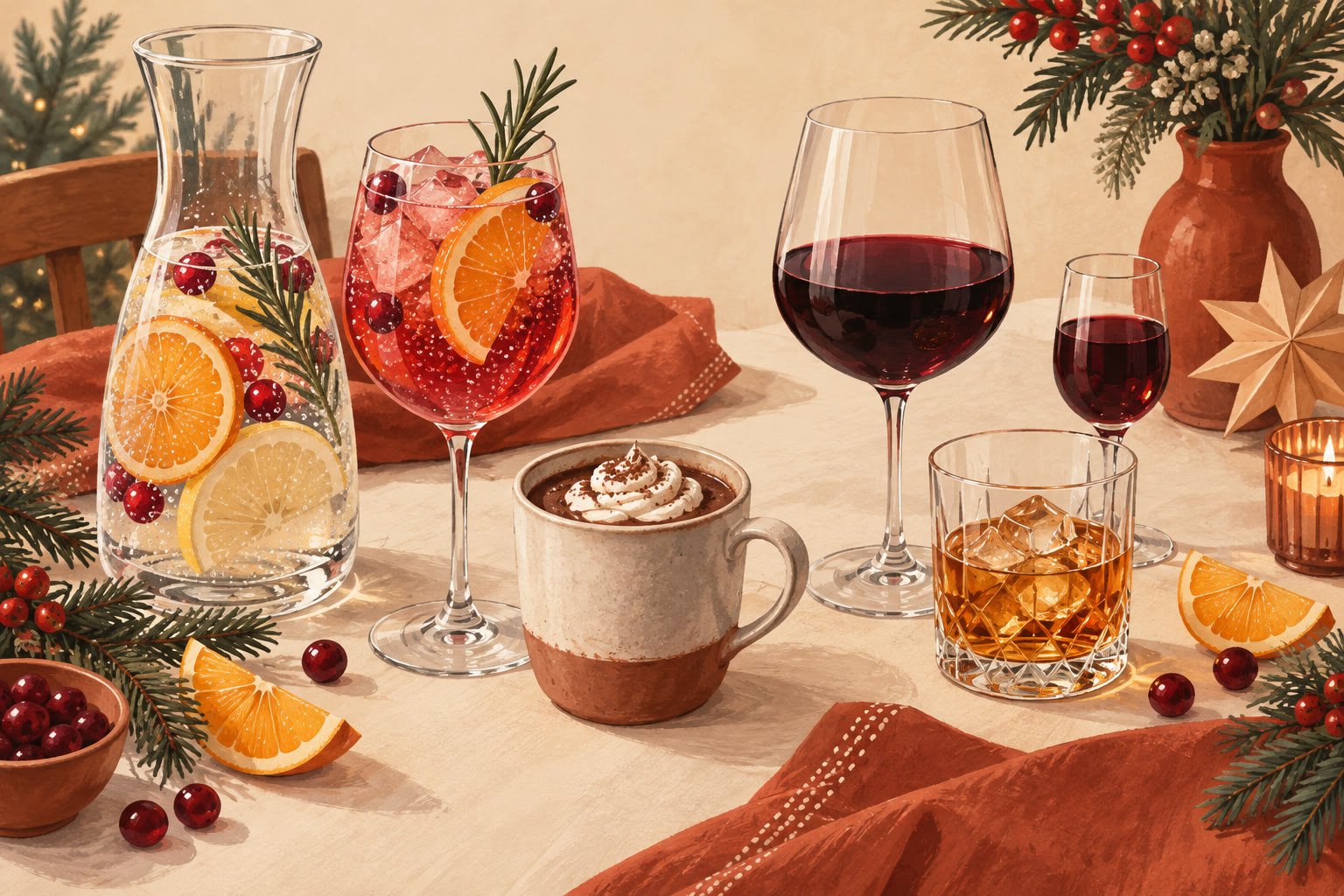
Wine, cider, sherry, port, liqueurs and spirits are gluten-free, according to Coeliac UK; standard beer, lager, stout and ale are not, unless the specific bottle is labelled gluten-free. Start by checking which category a festive drink falls into, then check the label on the particular bottle being served.
This matters because coeliac disease is a lifelong autoimmune condition, with no cure. A strict gluten-free diet is its only management, not a general lifestyle preference. The NHS explains that eating gluten causes the immune system to attack the body's own tissues, damaging the small intestine and affecting nutrient absorption.
I'd give alcohol-free drinks just as much thought as everything else on the table. Nobody should have to choose between joining the toast and getting a clear answer about what's in their glass. Here's how I'd work through the choices, without relying on an unverified list of festive bottles.
Which festive drinks are gluten-free?
There’s reassuringly straightforward guidance for several familiar choices. Coeliac UK lists cider, wine, sherry, port, liqueurs and spirits as gluten-free. If you’re wondering where those drinks sit, that’s the category guidance to start with. Standard beer, lager, stout and ale are the important exception.
Whisky deserves a little space here because barley on the ingredients side of the story can understandably raise a question. Coeliac UK explains that distillation removes any trace of gluten. All distilled spirit drinks, including malt whisky made from barley, are therefore suitable for people with coeliac disease. The barley origin doesn’t make distilled whisky equivalent to barley-based beer.
By contrast, Coeliac UK says standard beers, lagers, stouts and ales contain varying amounts of gluten and aren’t suitable for a gluten-free diet. Specially manufactured gluten-free versions exist. I’d choose one only when the specific product is labelled gluten-free, rather than treating the whole beer shelf as interchangeable.
My first question would be, “What exactly is the drink?” Wine and a wine-based festive punch aren’t the same description of what’s being poured. For a mixed drink, I’d ask for the full recipe and the labels of its ingredients. The guidance about a spirit answers the question about that spirit; I’d still want the details of everything added to the glass.
Know what the gluten-free label tells you
“Gluten-free” has a defined legal meaning. According to Coeliac UK’s guidance on gluten-free law, a product can carry that label only if it contains no more than 20 parts per million, usually written as 20ppm, of gluten. The rule applies to pre-packaged products and food sold in catering settings.
For beer, that gives you a specific question to ask: “Is this particular beer labelled gluten-free?” Coeliac UK confirms that beer must contain 20ppm or less to use the claim. A broad answer about what the brewery makes doesn’t identify the bottle in front of you. I’d ask to see that bottle or its current product information.
You don’t need to turn the number into a calculation at the dinner table. Its value is in explaining what the claim means. “Gluten-free” is a regulated threshold, rather than a casual description of something that seems unlikely to contain gluten. I’d use the wording on the actual product, alongside the category guidance, to make the check concrete.
If I were asking at a bar or restaurant, I’d keep it simple: “I need a gluten-free drink because of coeliac disease. Could you show me which beer is labelled gluten-free, or tell me exactly what goes into that mixed drink?” That gives the person serving a specific question to answer, without requiring you to deliver a speech.
Is alcohol-free beer gluten-free?
I’d plan the alcohol-free part of the table at the same time as the wine or spirits. Start by asking what someone would enjoy: something sparkling, a cold mixed drink or something warm. Then check the proposed drink and its ingredients. Those are serving ideas, not a claim that every product in those groups is suitable.
For an alcohol-free beer, I’d still ask to see a gluten-free label. The alcohol description doesn’t answer the gluten question. Coeliac UK’s distinction between standard beer and specially manufactured gluten-free beer is the relevant starting point. I wouldn’t substitute “it’s alcohol-free” for confirmation about the specific beer being offered.
For an alcohol-free mixed drink, I’d ask the same practical questions as for any other mixed drink: “Which ingredients are in it? Can I see their labels? Has anything else been added?” I’d keep the packaging available when hosting, so the answer doesn’t depend on remembering a name after the bottle has disappeared into the recycling.
There’s no need for a separate performance around the alcohol-free glass. I’d offer the same choice of glassware and the same attention to what someone actually wants. The useful preparation happens beforehand: identify the drink, establish its ingredients and keep the information close enough to share.
Is oat milk gluten-free?
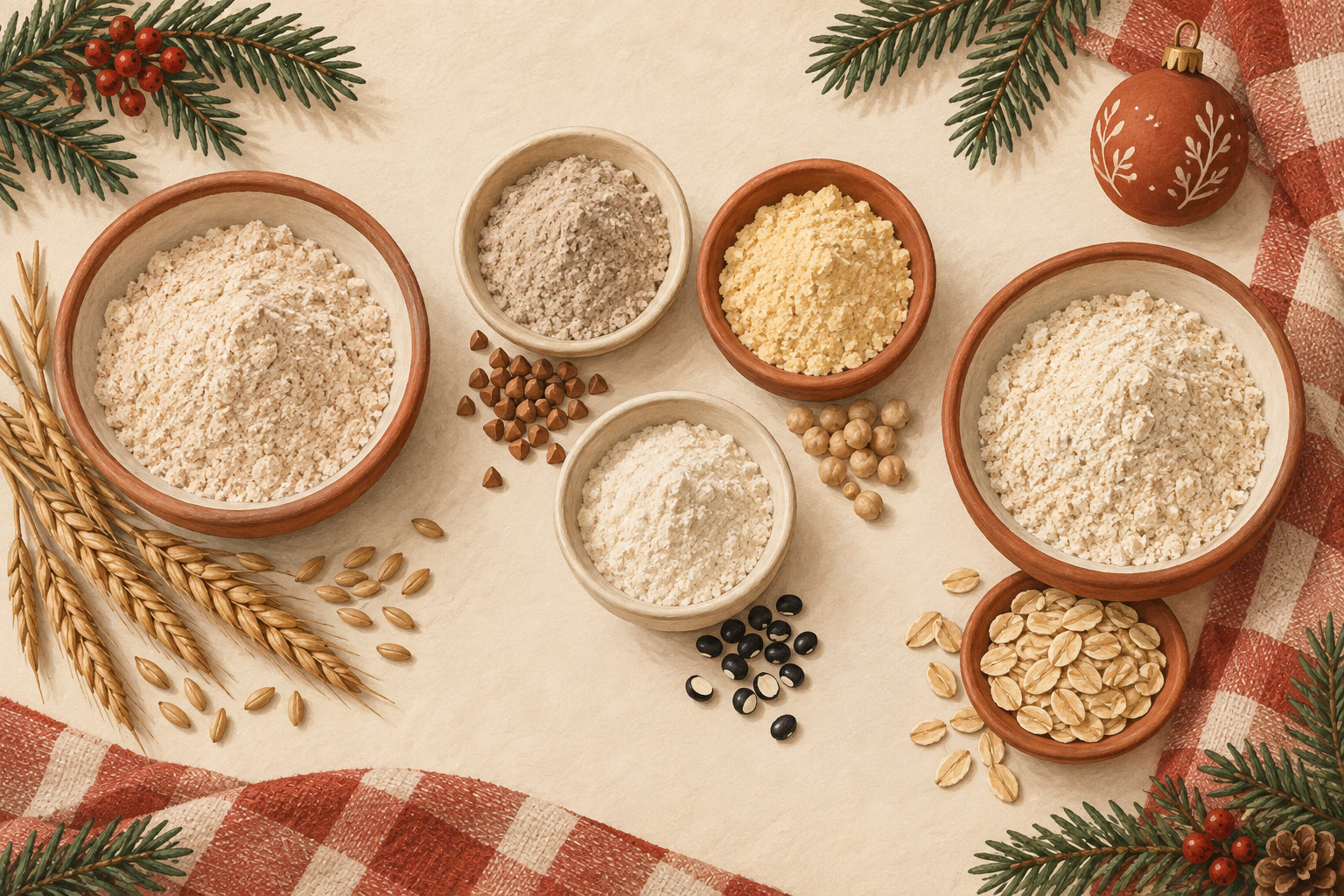
If oat milk is proposed for a festive hot chocolate or eggnog-style drink, I’d check its gluten-free status explicitly. Coeliac UK explains that standard oats can be contaminated through growing or processing alongside wheat, barley and rye. The oats need to be specifically produced as gluten-free and meet the limit of 20ppm or less.
“100% oats”, “pure oats” and “organic” don’t establish that, according to the same guidance. I’d ask to see a gluten-free label rather than infer suitability from those words. Coeliac UK also notes that most people with coeliac disease tolerate gluten-free oats, but a small number remain sensitive to avenin, the protein in oats. I’d ask the guest whether gluten-free oats suit them.
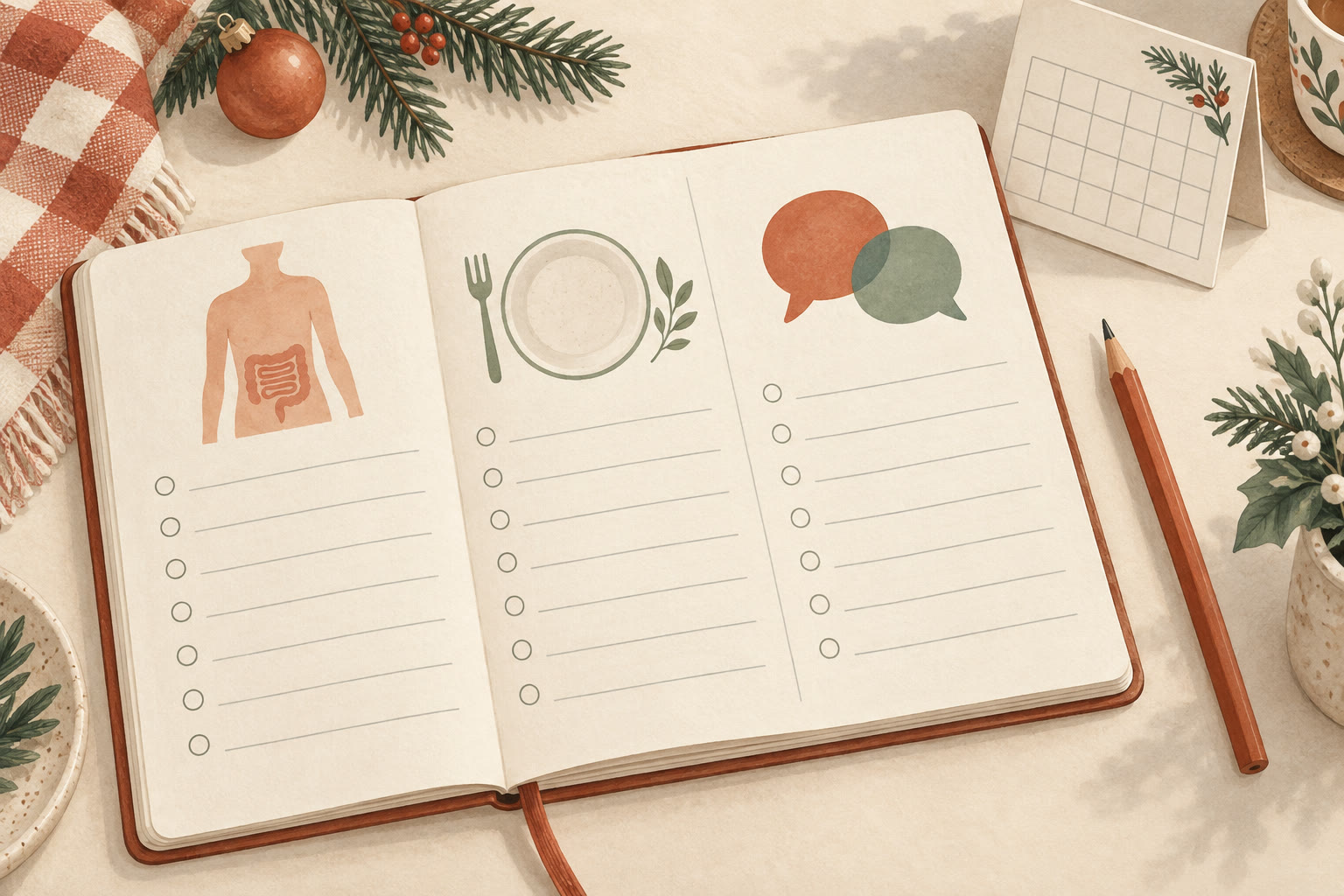
My festive drinks plan would finish with three things written down: what each drink is, which labels need checking and what goes into anything mixed. Then I’d keep the relevant packaging handy. That leaves room for a welcoming table, with clear answers available before anyone raises a glass.
Nora is our brand character. Health information is sourced separately and should support conversations with your care team, not replace them.