Before a shop substitutes your gluten-free order, there are two things to do: set your substitution preference at checkout, then read the label on whatever actually arrives before deciding whether to eat it. A note or a "no substitutions" setting can't tell you the ingredients of the replacement that turns up, so I'd want that settled with the pack in hand, not the bag.
My starting point is to treat every replacement as unchecked until you have read the current pack yourself. The same applies to the exact item you ordered. Familiar packaging is reassuring, but it cannot tell you whether the ingredients or manufacturing process have changed.
You can make your wishes clear before checkout and still decide against what arrives. I'd separate those two jobs: give a useful instruction first, then check the actual food. Here's how I'd approach both without turning the doorstep into a committee meeting.
1. How do I tell a shop not to substitute my gluten-free order?
Before submitting an order, look for the substitution choices available to you. Where the service offers a way to decline replacements, consider using it for items where you would rather receive nothing than assess an unfamiliar alternative. If there is space for an item note, keep the request short and concrete.
For an item you specifically want labelled gluten free, I’d suggest:
“Please only replace this with a product labelled gluten free. If that is unavailable, please leave the item out.”
That is a suggested shopping instruction, not a claim that every gluten-free food must carry those words. It gives the person choosing this particular replacement a clear request. Only use it where it reflects what you want.
If you would prefer no replacement at all, I’d make that equally plain: “Please do not substitute this item.” Where a dedicated setting exists, use that rather than relying solely on a written note.
The important distinction is between expressing your preference and having evidence about the food. A note is a request. It does not confirm the ingredients of whichever pack eventually arrives, and I wouldn’t treat it as a reason to skip checking.
For example, Sainsbury’s substitution terms say it chooses “what we believe is the most appropriate alternative to the product you've ordered”. Those terms contain no specific allergen, free-from or gluten-free safeguard. They give customers a general right to refuse an item at delivery, rather than describing an allergen-specific opt-out.
I’d read that as a reason to keep the final label check firmly in your own hands, whichever retailer you use.
2. How do I check a substituted item is gluten free?
Coeliac UK’s food-label guidance says to “always read the label every time”, because recipes and manufacturing processes can change without warning. That includes the familiar packet as well as the unexpected replacement.
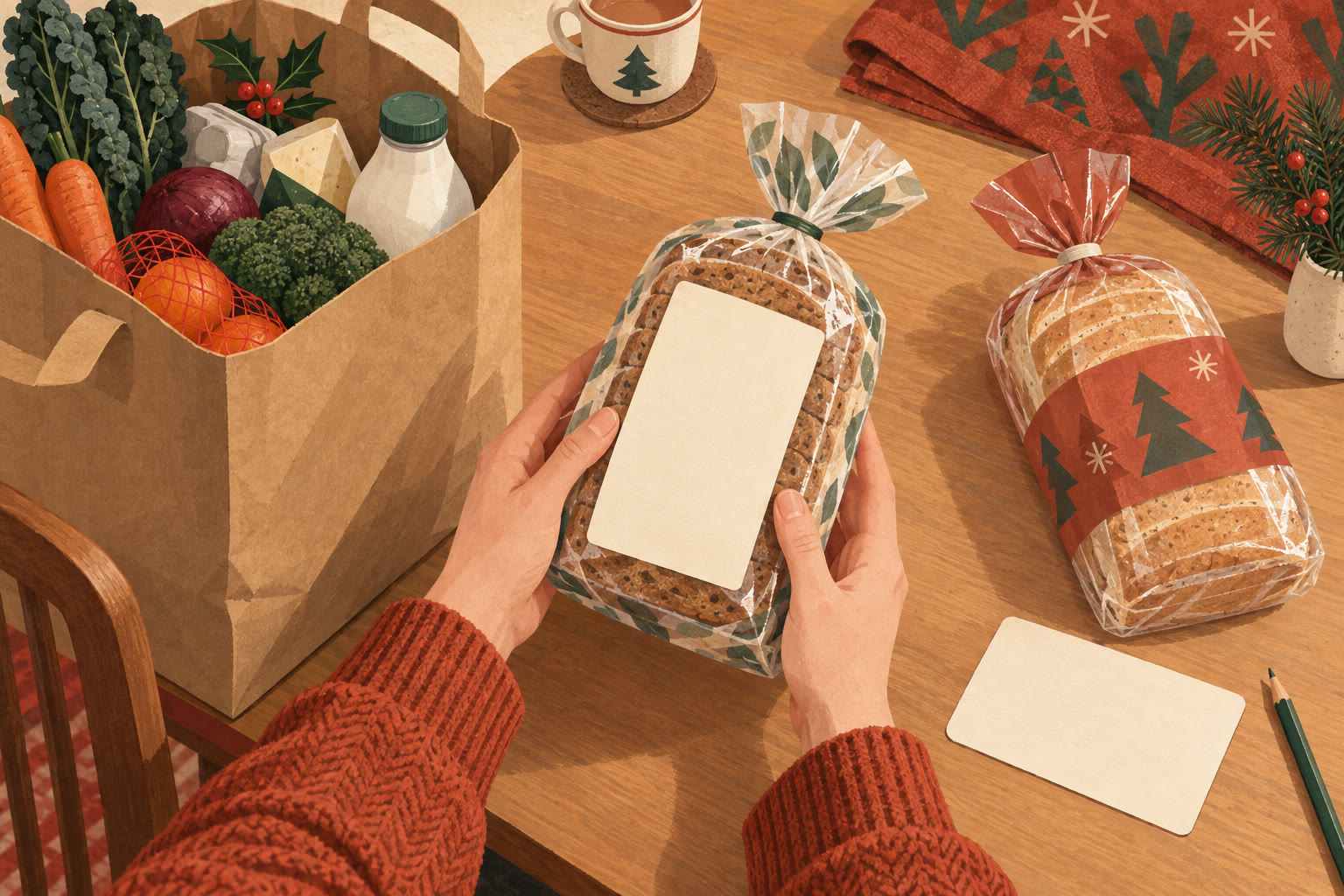
I’d begin by matching the delivered item to what you ordered, then read its current label. If you have substitution information with the order, use it to identify changes, but keep the physical pack as the thing you examine before deciding whether to eat it.
There are three parts of that check worth giving separate attention:
The gluten-free label. Coeliac UK says a “gluten free” label means the food is suitable for a gluten-free diet. Look for the actual wording on the product, rather than assuming that a similar name or package means the same thing.
The ingredients list. Cereals containing gluten are among the 14 allergens that UK law requires to be emphasised in a product’s ingredients list. Read the list on this pack, even when you recognise the brand or have bought the product before.
Any “may contain” warning. Coeliac UK explains that this means the manufacturer has judged there is an unavoidable risk of cross-contamination with gluten. If you are unsure, its advice is to contact the manufacturer directly.
I wouldn’t turn an unclear label into a guessing exercise. If you cannot read the information, cannot find what you need or are unsure how the wording applies, leave the item unchecked while you seek clarification. “Probably the same” is an understandable thought when you want to finish unpacking, but it does not resolve the question.
3. Can I refuse a gluten-free substitution at delivery?
I’d make the decision about the replacement itself, rather than how much effort someone has made to find it. You can appreciate the attempt and still decline the food.
Where you can refuse an item at delivery, a simple explanation is enough: “Thank you, but I can’t confirm this replacement is suitable for my gluten-free diet, so I’d like to refuse it.” You do not need to improvise a detailed explanation of coeliac disease beside the shopping bags.
Sainsbury’s terms explicitly allow refusal at delivery. For another service, check its own refusal or return process; I wouldn’t assume the same arrangements apply everywhere.
If the delivery has already been left, keep the item identifiable and contact the retailer about its process. If the uncertainty concerns a “may contain” warning, contact the manufacturer as Coeliac UK advises. Those are two different questions: the retailer can explain how it handles the unwanted substitution, while the manufacturer is the contact for that uncertainty about its warning.
You also do not have to nominate another replacement on the spot. If you cannot assess the one in front of you, declining it is a complete decision.
4. Keep the decision clear after unpacking
If someone else receives your delivery, I’d ask them to leave replacements in their packaging for you to check. Give them the same short instruction you used for the order, plus a clear request to set aside anything unresolved.
A note saying “not checked yet” can prevent that unresolved item from being mistaken for something you have accepted. Keep its label available until you have an answer; transferring it into a kitchen container would make your next check needlessly awkward.
Before your next order, choose one substitution instruction that accurately reflects your preference and save the wording somewhere handy. My aim would be a clear request before checkout, a fresh label check on arrival and a straightforward refusal whenever the replacement remains unclear.
Nora is our brand character. Health information is sourced separately and should support conversations with your care team, not replace them.