Cook one dinner with a shared base, then split it at a single point: build the shared part first, meat, fish, beans, potatoes, rice or vegetables cooking exactly the same for the whole table, then fork the gluten-free and gluten-containing portions apart at one deliberate moment, such as when a gravy is thickened or a breadcrumb topping goes on. That's a different habit from planning a week of meals in advance: it's about the shape of one dinner, kept naturally gluten-free for as long as possible, then forked off only where it actually needs to be.
What can I cook the same for the whole family?
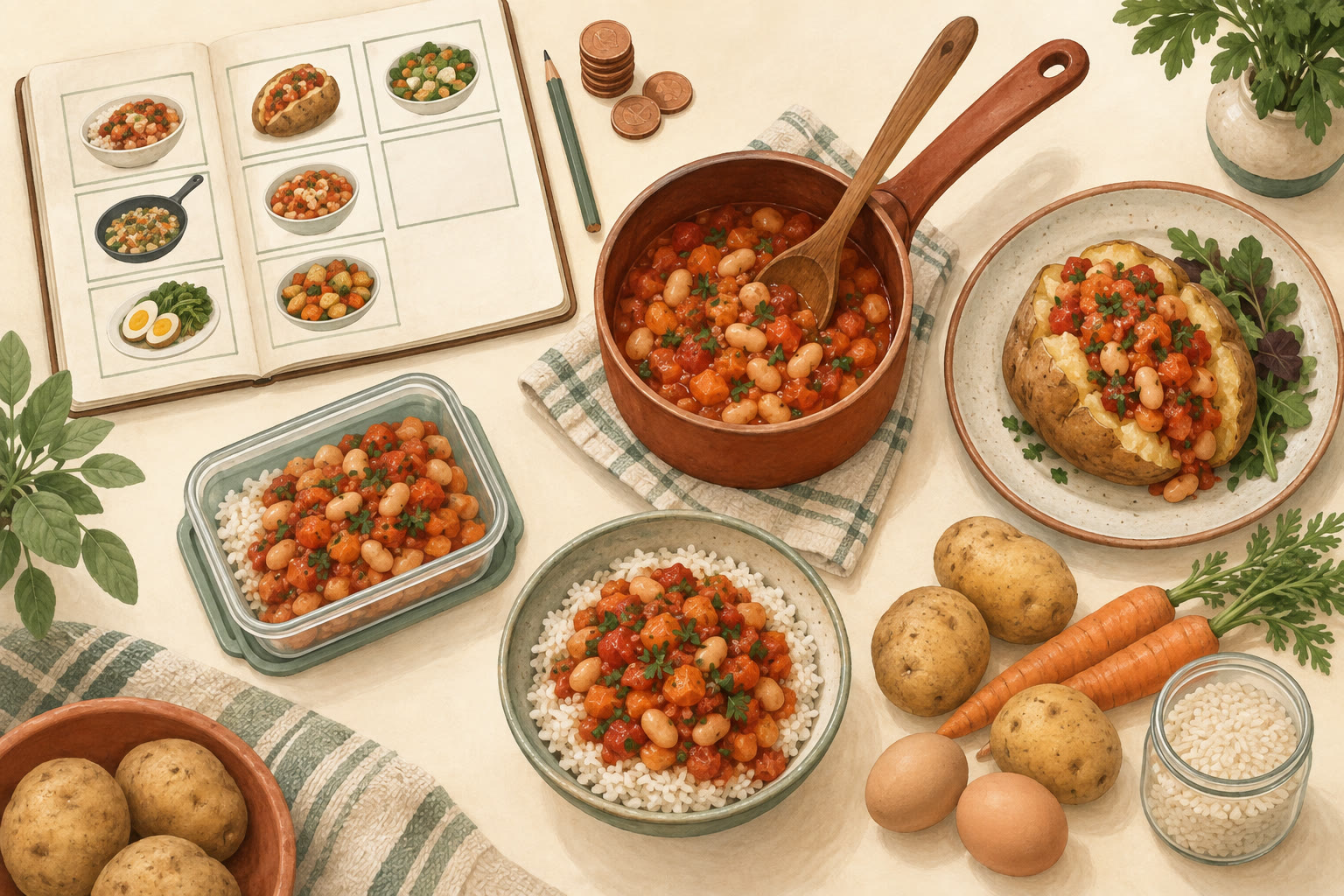
Most dinners have a stretch that’s gluten-free without any adjustment at all: meat, fish or beans cooking, potatoes boiling or roasting, rice simmering, vegetables in the oven. If you start there, the whole household is eating the same food for most of the cooking time, and there’s nothing to double up yet.
The trap is reaching for a flour-based thickener, a breadcrumb coating or a pasta pan too early, because once that’s in the mix, everything downstream needs checking or separating. Push that ingredient as late as you can, so the shared base stays intact for longer.
How many places should the meal actually split?
Rather than adjusting the recipe in several places, pick a single point where the meal divides into two, and let everything else stay shared. A roast dinner might stay one dish right up until a gravy is thickened; a bake might stay one dish until a breadcrumb topping goes on. That one point is where you do the actual work of “gluten-free” and “not gluten-free” — everywhere else, it’s just dinner.
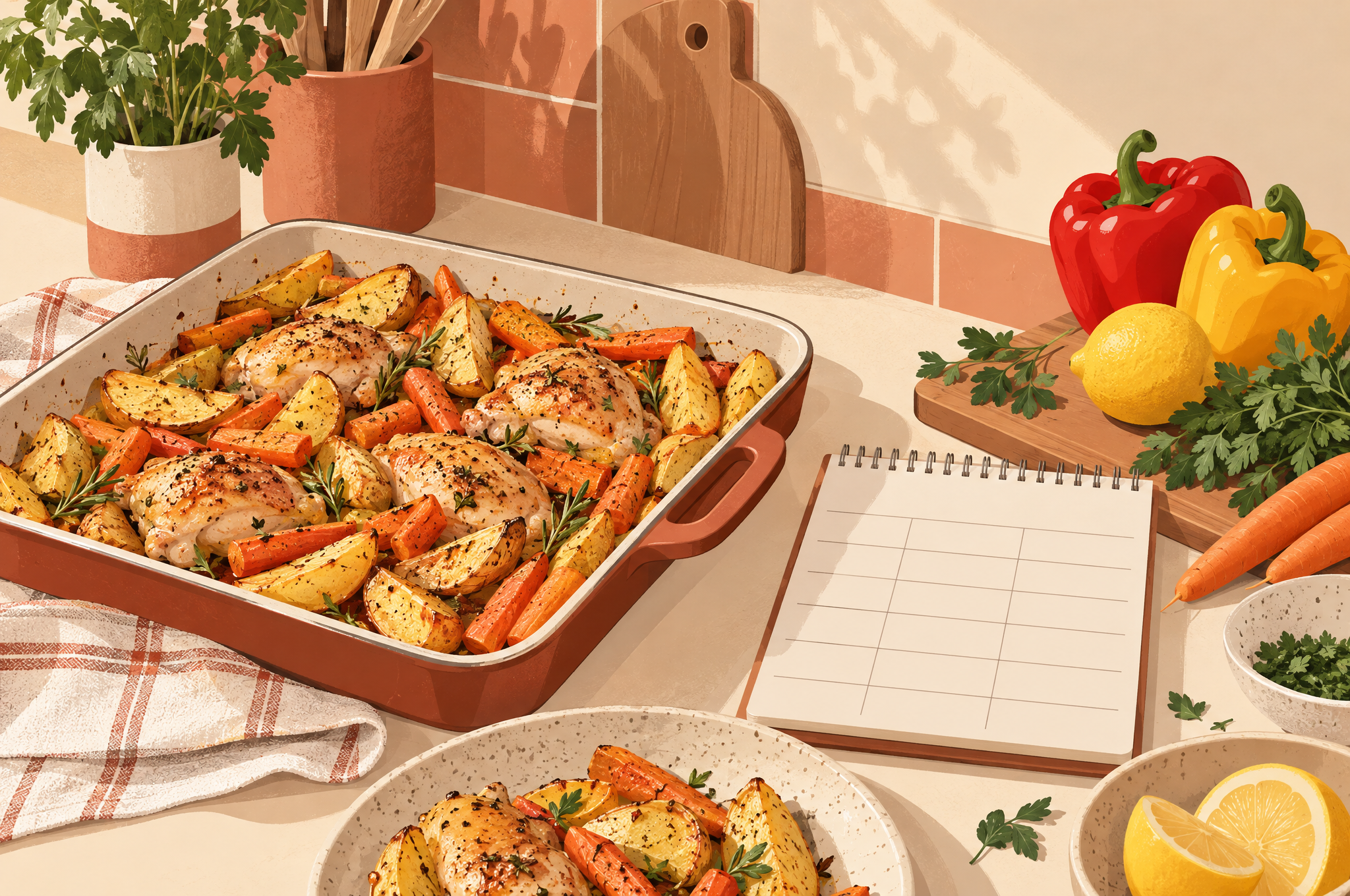
Take a traybake as an example: chicken thighs, potatoes and vegetables can roast together as one dish. If some of the household wants a breadcrumb topping and the gluten-free portion doesn’t need one, that topping goes on at the very end, on its own section of the tray, rather than mixed through everything from the start. A Non-stick baking tray set with more than one tray makes this easier to manage, since the topped portion can go on its own tray rather than sharing space with the rest. Check the dimensions against your oven before choosing.
The same idea works with a pasta dish (gluten-free pasta for everyone, with garlic bread only for those who want it, cooked and served separately) or a curry (one pot of curry, with rice for everyone and a shop-bought naan, checked for suitability, added only to some plates). The meal is still one dinner. Only one small part of it forks.
Treat the branching point with more care than the rest of the meal
Because most of the cooking is shared, the risk of gluten getting into the gluten-free portion is concentrated at that one branching moment, not spread across the whole dinner. That makes it easier to manage: use a clean utensil and a clean surface for the gluten-free portion at that specific step, rather than trying to keep every stage of cooking separate.
If the gluten-containing element is added last, add it after the gluten-free plates are already served, not before. A breadcrumb topping sprinkled over one end of a tray, or a sauce split into two pans before a roux goes into one of them, keeps the fork clean and late rather than early and messy.
This is a narrower point than kitchen hygiene in general. Wherever your household stands on shared worktops, utensils or gluten-containing bread elsewhere in the kitchen, the same principle applies at this one step: decide where the split happens, and be careful exactly there.
Which ingredient needs checking for gluten?
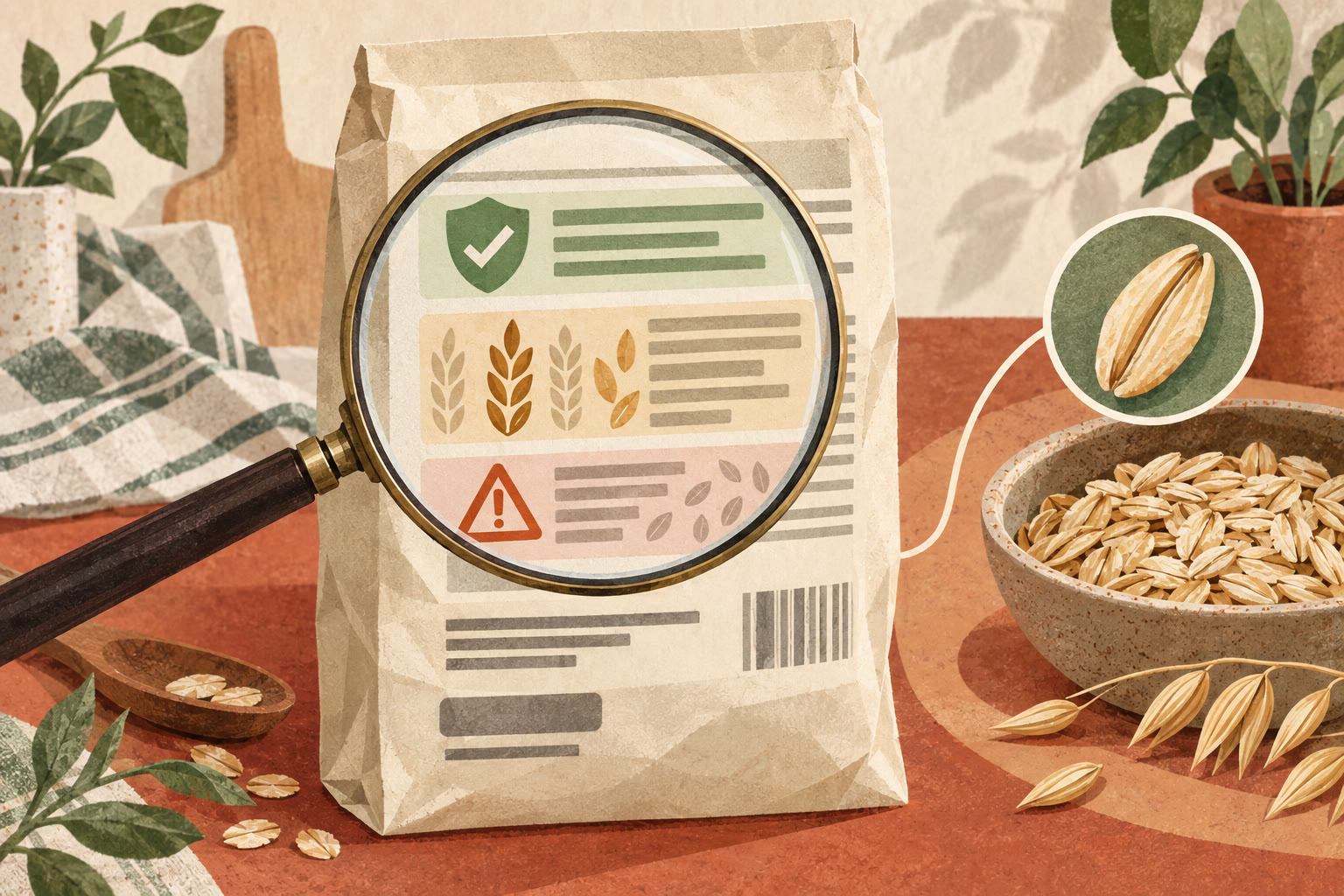
The ingredient that creates the branch is usually the one worth checking most closely, because it’s the one thing that wasn’t already gluten-free at the start of cooking. A stock cube, a sauce mix, a coating or a ready-made topping added at the branching point needs its label checked on the day, since recipes can change even when the packaging looks familiar.
Everything before that point — the meat, the vegetables, the potatoes or rice — is doing the easy work of feeding everyone the same food. The branching ingredient is doing the one job that actually needs your attention.
One technique, many dinners
Once you’ve built one meal this way, the same shape turns up again and again: a shared base, one clear fork, and a bit of extra care exactly where the fork happens. It’s less about planning an entire week and more about noticing, dinner by dinner, where the split actually needs to be — and keeping everything else the same for everyone at the table.
#ad. This post contains Amazon affiliate links. As an Amazon Associate I earn from qualifying purchases.
Nora is our brand character. Health information is sourced separately and should support conversations with your care team, not replace them.