Planning a gluten-free seasonal celebration means choosing the one food moment you want to keep, whether that's a warm pudding, a plate of mince pies or the same main meal everyone shares, then turning that choice into a shopping list, a conversation with your guests, and a day with as few decisions as possible.
The food deserves a place in the plan before the decorations swallow the afternoon. I want the occasion to feel like an invitation, with something on the table you're properly looking forward to eating.
Whether you're organising an autumn supper, a Christmas gathering or a spring family lunch, I'd keep the menu manageable and the arrangements clear. Nobody needs six ambitious baking projects competing for one oven.
What should you plan first for a gluten-free celebration?
Before writing a shopping list, I’d choose the part of the celebration that matters most. Perhaps it’s a warm pudding after a walk, a plate of mince pies, or everyone sitting down to the same main meal. That gives the menu a centre.
There’s a tempting assumption that a proper celebration means recreating every familiar dish in gluten-free form. I’d question that. If the thing you love is passing a pudding around the table, you can plan a gluten-free pudding everyone is happy to share without also committing to homemade bread, pastry and biscuits.
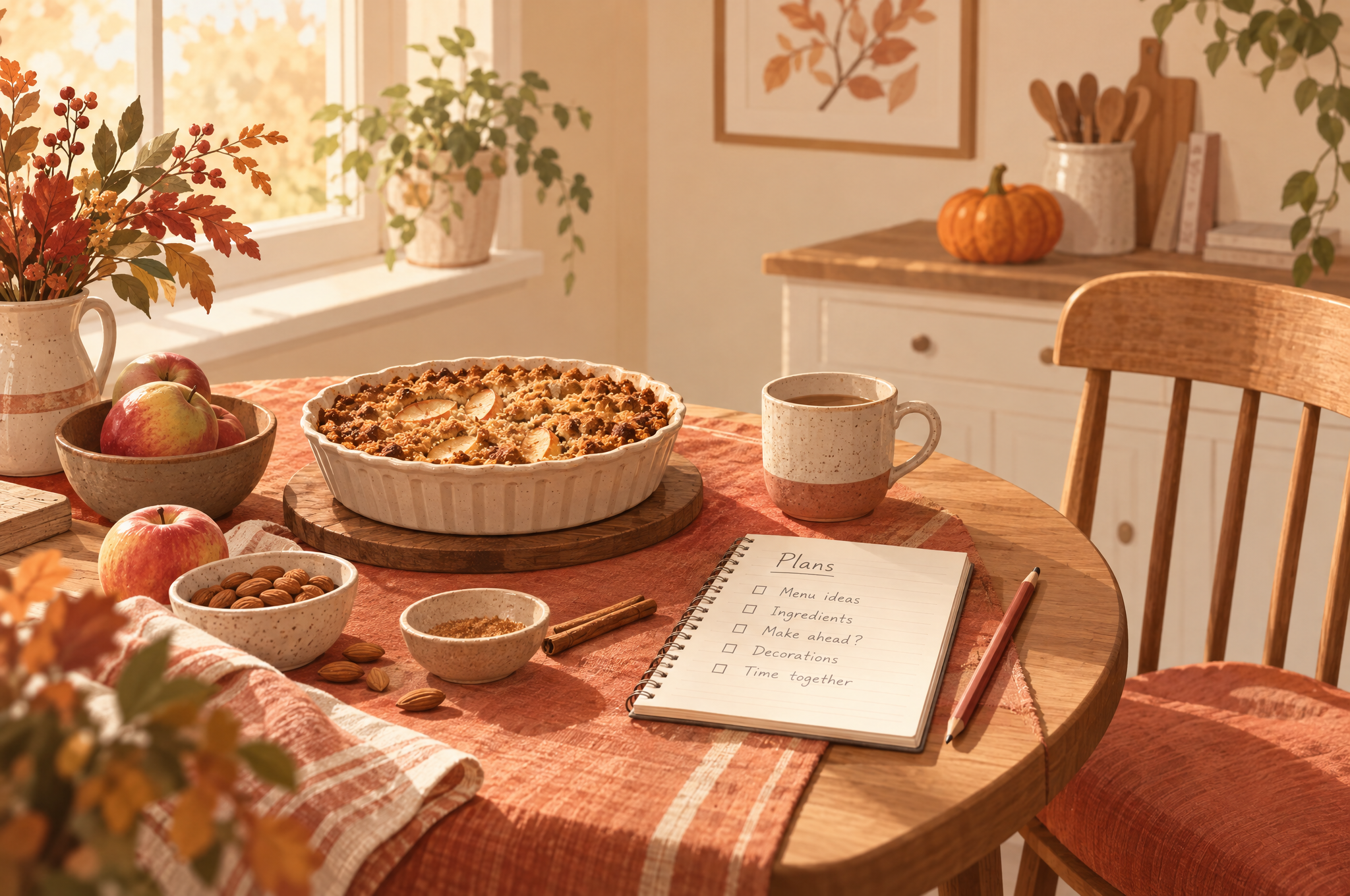
I’d write down three things: the main food moment, how many people are coming and what can reasonably be prepared ahead. Then I’d ask guests about their dietary requirements before choosing dishes. Gluten-free is one part of that conversation, so leave room for other needs too.
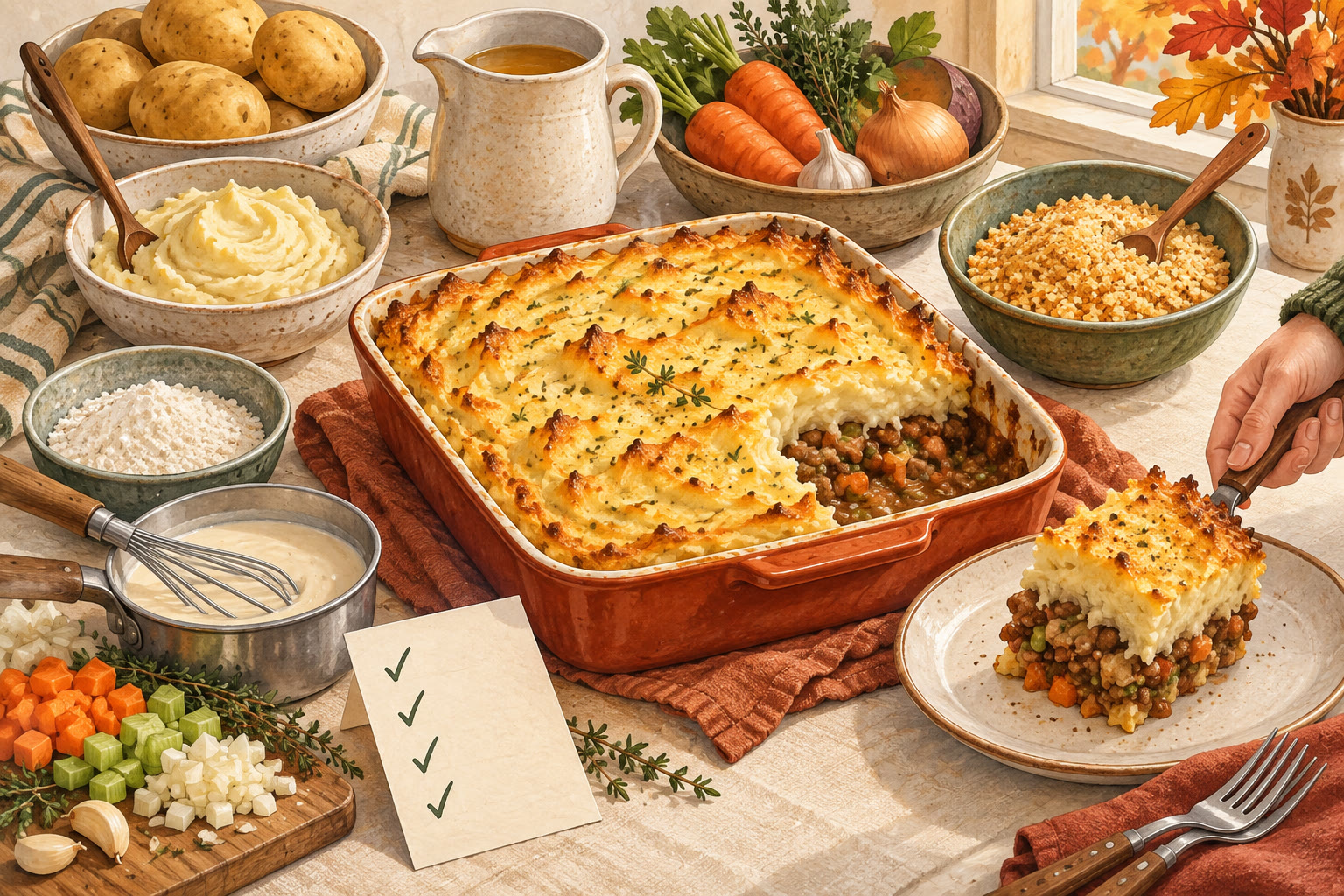
For a cosy autumn evening, I’d build the idea around a gluten-free main and one pudding. For a festive afternoon, I’d focus on a small selection of gluten-free bakes. These are menu outlines, with the individual recipes and ingredients still to check.
A shorter menu also leaves space for the bits that make a gathering yours: the music, the napkins you like and enough time to sit down while your drink is still warm.
Turn the menu into a clear shopping plan
Once the outline is settled, I’d list every ingredient beneath its dish, including the small additions. Gravy, stuffing, sauces, toppings and decorations deserve their own lines. “Things for dinner” is how a shopping list becomes a memory test in a crowded aisle.
I’d keep the shopping list separate from a short checking list. The first says what to buy; the second records what still needs confirming about a recipe or product. Something sitting in the basket doesn’t automatically mean that question has been answered.
For packaged ingredients, make checking the current label part of shopping. If you’re unsure whether something suits a guest’s requirements, resolve that before building the menu around it. I wouldn’t use a festive name or familiar-looking packet as reassurance.
Keep packaging available so the person eating can see the ingredient information. If someone else is bringing a dish, ask them to bring the recipe details and packaging too. That gives you something concrete to discuss instead of trying to remember what went into a sauce.
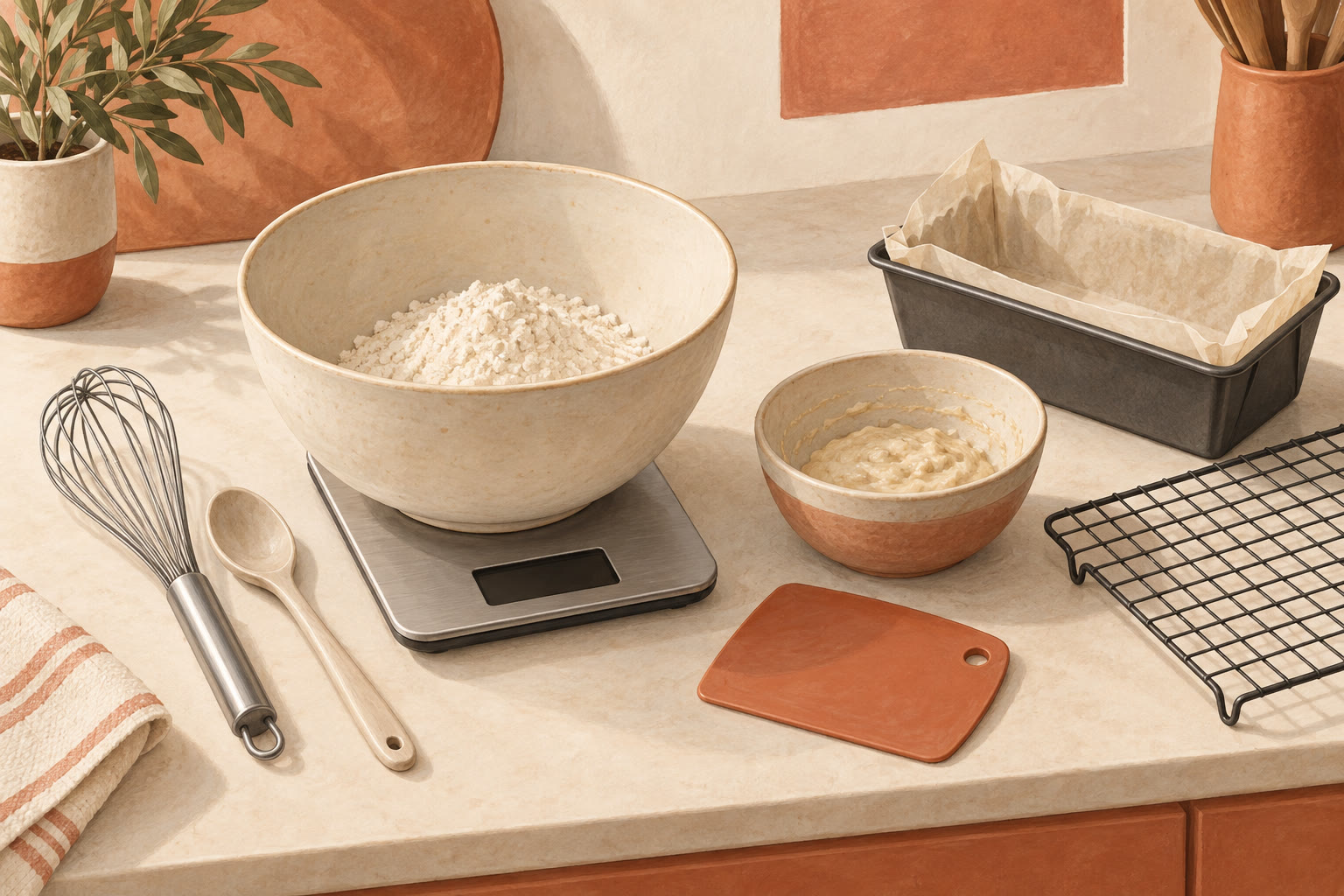
I’d also check the cupboard before buying equipment. If mince pies are the chosen centrepiece and you need a tin, a Mince pie tin for a homemade batch belongs on the list alongside the ingredients for your chosen gluten-free recipe. Match the tin to the recipe before shopping.
The useful purchase is the one that has a job in your plan. A seasonal baking aisle can be very persuasive about how many jobs you apparently have.
How do you talk to a gluten-free guest about food before a celebration?
If you’re hosting, I’d contact the gluten-free guest early and ask what they need you to know about ingredients, preparation and serving. Give that conversation enough time to produce a workable plan, particularly when someone has coeliac disease.
A simple opening could be: “I’m planning the food and would like to get the details right. Could we talk through the menu and how it will be prepared and served?” It’s more useful than presenting a finished menu and hoping everything fits.
If you’re the guest, I’d ask about the proposed meal while changes are still easy to make. You might offer to discuss ingredients or bring an agreed dish, if that suits you. Bringing food should be a clear arrangement, rather than a surprise responsibility handed over the night before.
Include serving in the conversation. Will everything be plated in the kitchen, or will people help themselves? What arrangements are needed for preparation space and utensils? Agree those details with the guest rather than treating a gluten-free label as the whole plan.
For a meal away from home, I’d ask the venue directly about its gluten-free provision and preparation arrangements before booking. An attractive seasonal menu is a starting point for questions, not the answer to them.
How do you make the day easier when cooking gluten-free?
I’d finish with a short running order, working backwards from when you want to eat. Follow each recipe’s preparation and storage instructions, then note when the oven, hob and serving dishes will be needed. Two dishes requiring the same tin is an excellent discovery to make beforehand.
Choose one part of the menu to give your attention to, and keep the rest within what you can comfortably manage. A celebration isn’t improved by the host spending the whole evening reading three methods at once.
Before people arrive, check that the agreed serving arrangements are ready and that anyone helping understands them. Keep the ingredient information somewhere easy to find, rather than underneath the recycling.
My final planning question would be: “Is there something here that the gluten-free guest can look forward to, with the necessary details settled?” That’s the point I’d keep coming back to. Start with one occasion, choose its food centrepiece and have the first conversation while there’s still plenty of time.
#ad. This post contains Amazon affiliate links. As an Amazon Associate I earn from qualifying purchases.
Nora is our brand character. Health information is sourced separately and should support conversations with your care team, not replace them.