Gluten-free cooking works in a shared kitchen when you agree a separate place to store gluten-free food, a separate preparation area, and which equipment needs its own use, such as breadboards and toasters, while other items like pots and pans can be shared once washed thoroughly. NHS inform and Coeliac UK set out what needs separating and what can be cleaned between uses, and I'd work through the ordinary jobs in that order: putting food away, making toast, preparing dinner and washing up.
My starting point is simple: agree what happens, decide where things belong and write down anything someone would otherwise have to guess. You don't have to treat every saucepan as though it needs a permanent owner.
Where should you store and prepare gluten-free food in a shared kitchen?
NHS inform advises having a separate area and container for keeping gluten-free food, along with a separate area for preparing it. I’d start by opening the cupboards together and agreeing exactly where that food will go.
Choose a place you can point to when someone asks where the gluten-free bread belongs. Then label the container in words. “Gluten-free bread” gives a visitor an instruction; an unexplained green sticker gives them a small puzzle before breakfast. If colour helps your household, use it alongside the words.
Next, identify the preparation area. NHS inform advises washing shared surfaces thoroughly, and Coeliac UK advises cleaning surfaces with hot soapy water between gluten-containing and gluten-free preparation. Make that cleaning part of the agreed routine, including when someone else takes over a cooking task.
I’d walk through the space with whoever shares it. Where will the food come out? Where will the breadboard go? Which utensils will you use? These are planning questions, so answer them using your kitchen’s actual layout rather than an ideal version with twice the worktop.
Give the agreed places clear names on your kitchen note. “Gluten-free food in the labelled container” is something someone can act on. “Keep everything separate” leaves quite a lot for them to interpret.
Do you need separate pans, breadboards and utensils for gluten-free cooking?
It’s tempting to turn the equipment question into one sweeping rule. I’d keep the distinctions in the guidance, because a breadboard and a saucepan don’t need the same household arrangement.
NHS inform advises keeping cooking utensils, including breadboards, separate during preparation and cooking. Coeliac UK suggests separate breadboards for gluten-free and gluten-containing bread, and advises cleaning cooking utensils with hot soapy water between gluten-containing and gluten-free preparation.
For bread, I’d make the arrangement especially clear: identify which board is for gluten-free bread and give it an agreed place. If you use labelled utensils for gluten-free preparation too, explain the labels when showing someone around. A label needs to tell them what to do.
Shared pots and pans are a different question. NHS inform says they can be reused for gluten-free cooking if washed thoroughly with normal cleaning products between uses. Coeliac UK advises hot soapy water for cleaning pots, pans and cooking utensils between the two types of preparation.
Coeliac UK also states that standard washing-up liquid or a dishwasher removes gluten, so separate cloths or sponges aren’t required. I’d include that distinction when agreeing the washing-up routine, rather than asking everyone to remember an extra rule the guidance doesn’t require.
When a cooking task changes hands, say which equipment has been used and what needs washing. “That pan needs washing before the gluten-free cooking” is a useful instruction. A general reminder to be careful doesn’t tell the next person where to begin.
Can you share a toaster, spreads and frying oil with gluten-containing food?
Breakfast is where I’d put the most specific wording on the cupboard note. Bread, a knife and a spread can involve several decisions before anyone has taken a bite.
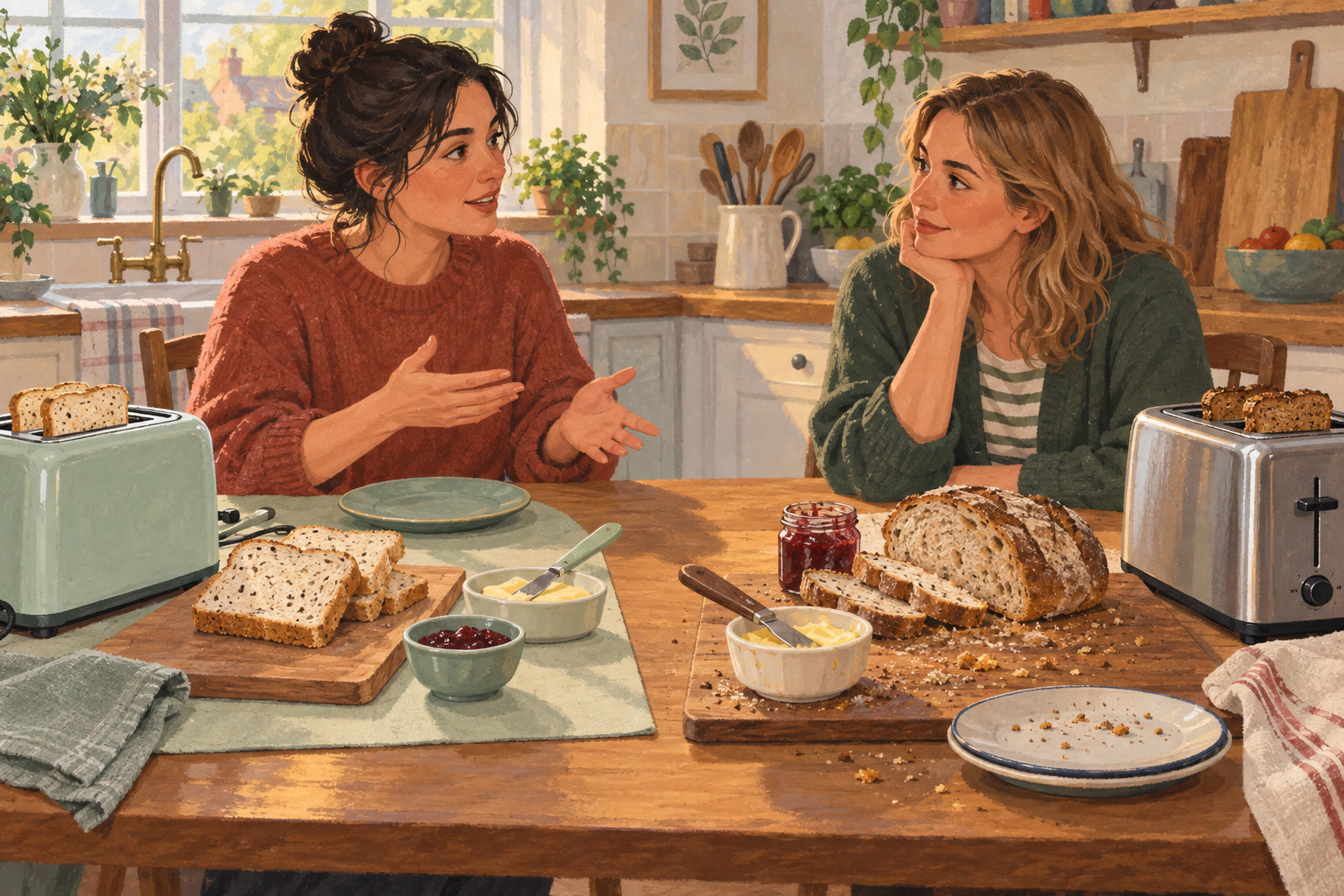
Both NHS inform and Coeliac UK advise using a separate toaster or toaster bags for gluten-free bread. Agree which arrangement your household will follow, then show it to anyone who might make toast. Write down the actual arrangement, so a guest doesn’t have to choose between two possibilities.
For butter, jam and other condiments, NHS inform advises separate supplies to avoid crumb transfer. Coeliac UK also advises separate condiments, or at minimum using clean cutlery when taking from shared butter, jam and spreads.
I’d choose separate, clearly labelled tubs or jars as the household instruction. If your arrangement uses shared spreads and clean cutlery, spell out that rule. A knife that has touched bread containing gluten is no longer clean cutlery for taking another helping from the shared jar.
Think through where those tubs live as well. Show people which is which and where to put them back. This is the sort of detail I’d explain before asking someone to make breakfast, rather than halfway through spreading the toast.
Frying needs its own clear rule. NHS inform advises against frying gluten-free food in oil previously used for food containing gluten. Coeliac UK advises clean oil or a separate fryer. Include this in the cooking conversation even if frying isn’t part of your breakfast routine.
Write the arrangement down and walk through it
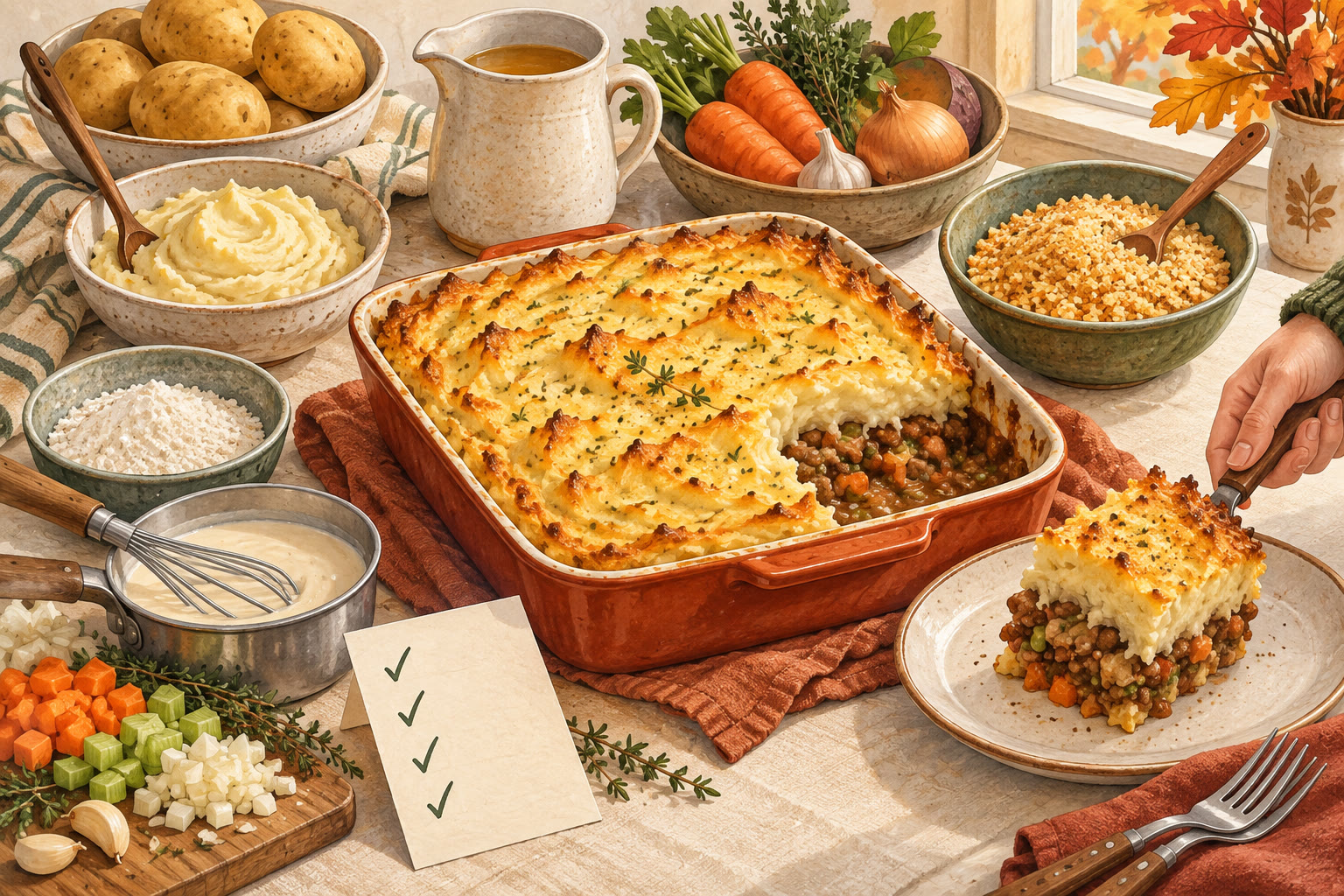
I’d put a short note inside a cupboard door, using the decisions you’ve already made. Cover the gluten-free food container, preparation area, breadboard and utensils, cleaning, toaster arrangement, spreads and frying oil. Keep the wording specific to your household.
Then walk through an ordinary morning together. Open the cupboard, identify the board, explain the toast arrangement and find the right spread. Use that walk-through to spot unanswered questions, such as where clean equipment belongs or which jar a visitor should reach for.
Revisit the note when a new housemate arrives, family comes to stay or an appliance changes. I’d explain the arrangement directly rather than assume someone has noticed every label.
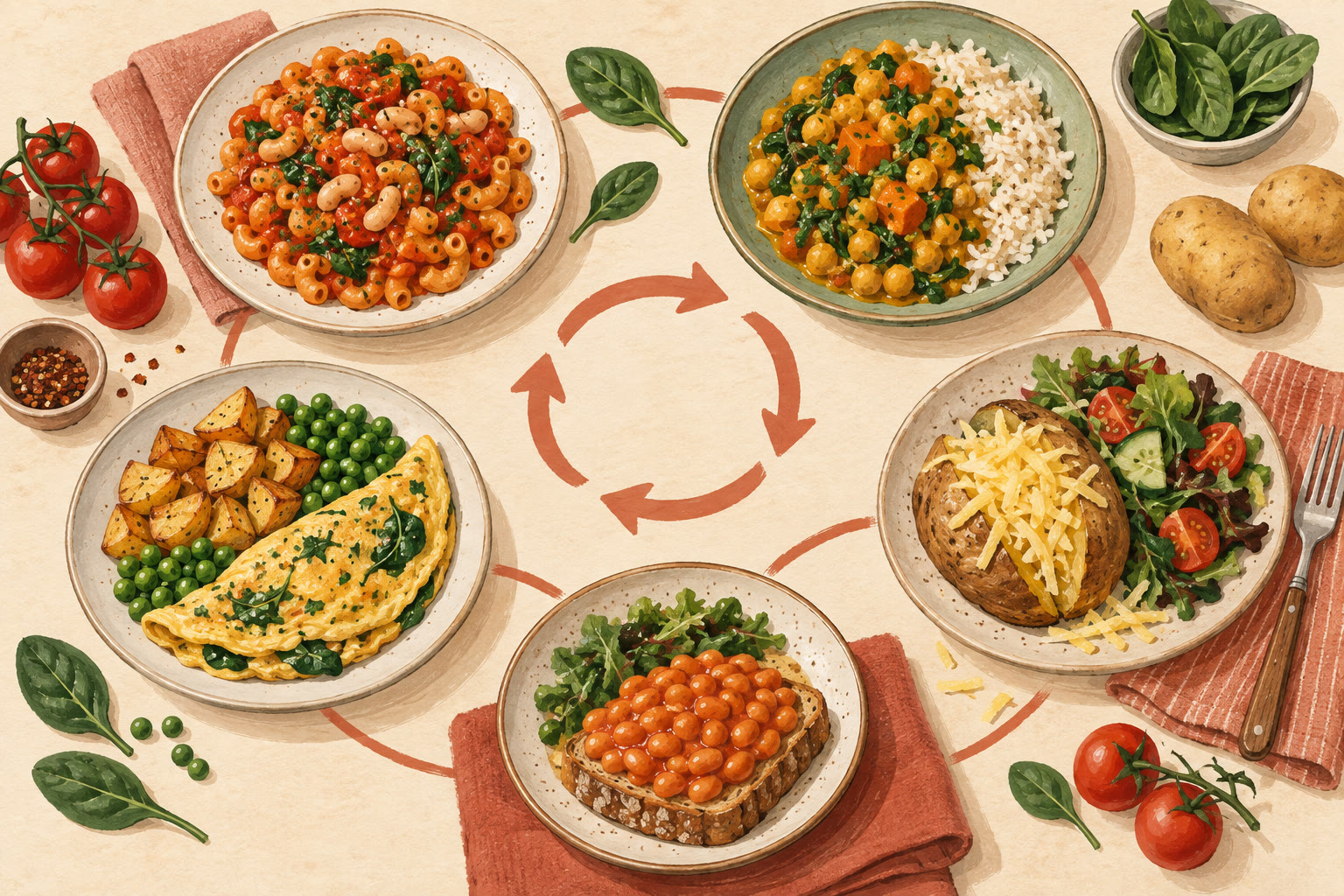
For the next shared meal, choose one gluten-free dinner the household can cook together. Agree who will prepare it, where the preparation will happen and which clean equipment you’ll use. That gives everyone a practical part in the routine, with fewer decisions left hanging over the butter tub.
Nora is our brand character. Health information is sourced separately and should support conversations with your care team, not replace them.