A coeliac diagnosis can turn an ordinary shopping trip into a long afternoon. You do not need to redesign every meal at once. Start with the next one, then build a small collection you can return to.
Keep the medical plan with your care team
The NHS describes a lifelong gluten-free diet as the treatment for coeliac disease and explains the role of a dietitian after diagnosis. Ask your care team about that support and follow-up. Read the NHS treatment guidance.
If you are still being investigated, rather than already diagnosed, speak to your clinician before changing your diet. Avoiding gluten can affect the accuracy of testing. Read the NHS diagnosis guidance.
Choose one familiar dinner
Write down a meal you already like. Break it into the main ingredient, the thing that goes alongside it and the sauce or seasoning. This gives you a shorter set of decisions than browsing an entire supermarket with no meal in mind.
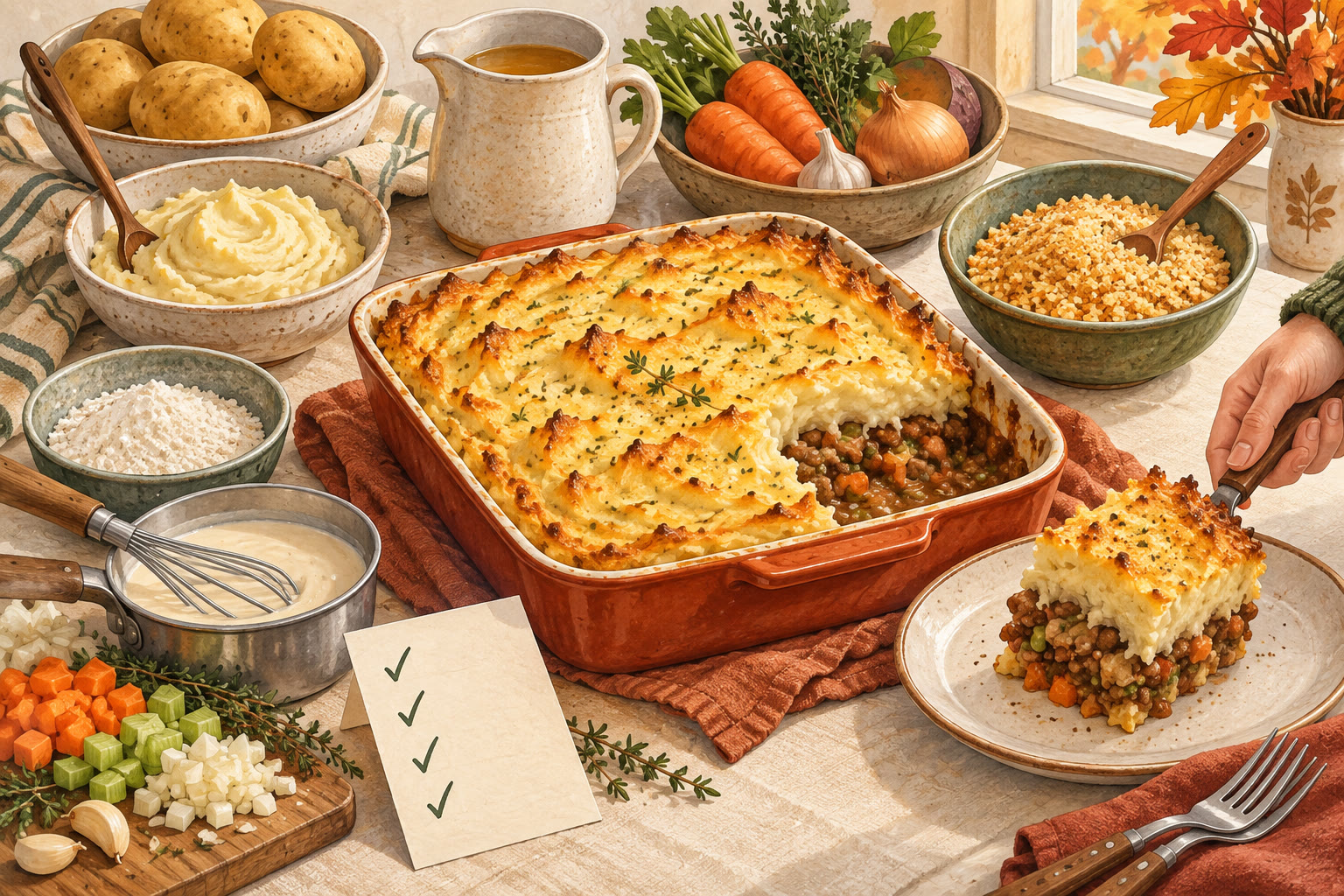
Our recipe collection starts with bolognese, a chicken traybake and a jacket potato. Treat these as development recipes while we test the collection. Choose according to your own needs and check the individual ingredients.
Make a page for the questions
Keep three headings in a notebook: shopping, kitchen and care team. Put each question under one heading as it occurs to you. You can then take a useful list to your next appointment rather than trying to remember everything at the end.
Leave room for repetition
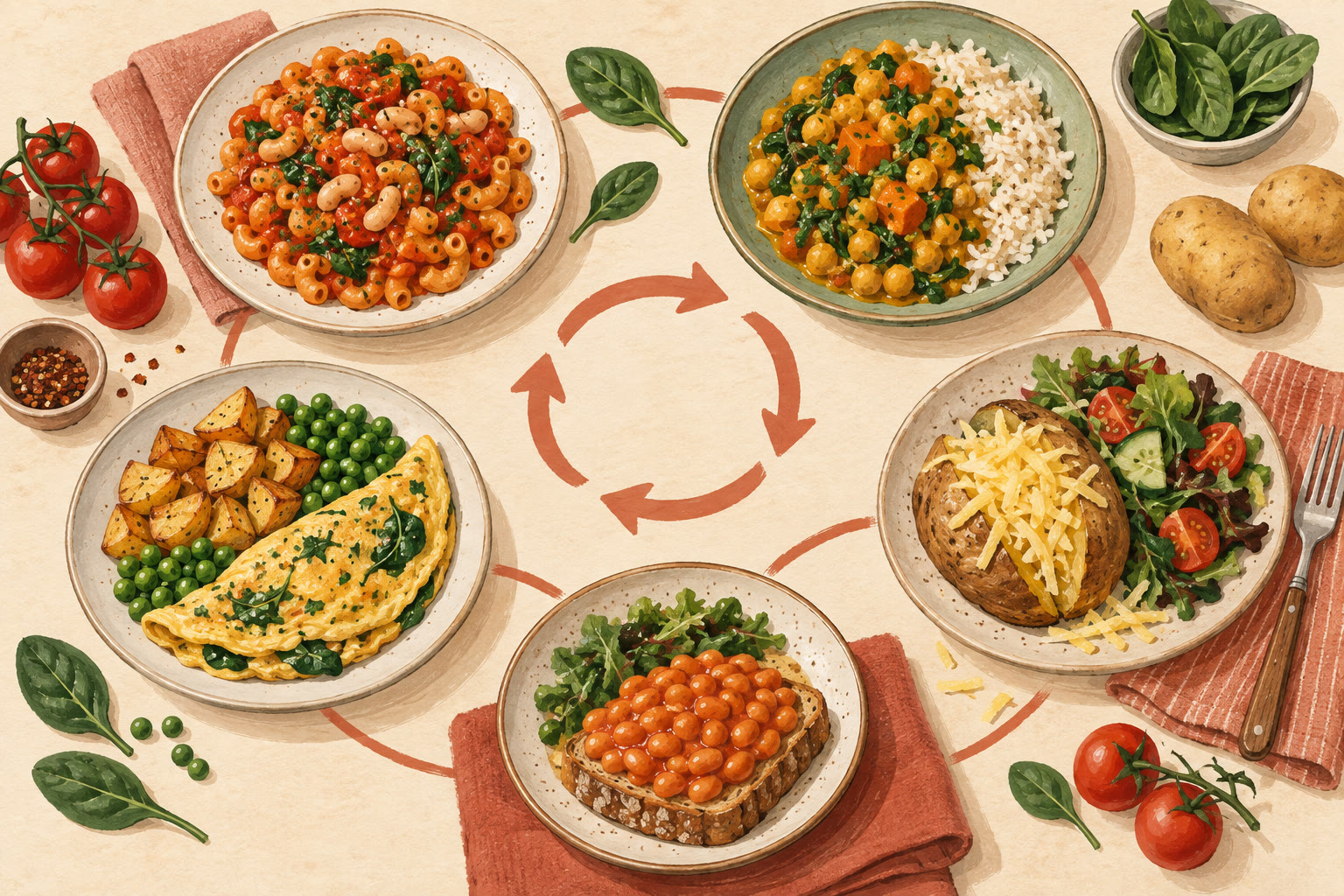
A few repeated dinners can make the early weeks more manageable. Plan tomorrow’s breakfast as well as tonight’s dinner. Keep the list short enough that another person could pick it up and understand what you need.
This is a starting point for organising everyday life, not an individual treatment plan. Your GP or dietitian is the right person for questions about your health and nutritional needs.
Give the next day a shape
Write down one breakfast, one lunch and one dinner you would actually want. Begin with the meals you already recognise. You do not have to build a new repertoire in one shopping trip. A small plan can show which ingredients you have and which ones need checking or replacing.
Our thirty-dinner guide is being developed around that practical need. Until it is ready, browse the recipe development collection for ideas, remembering that these drafts still need kitchen testing.
Keep your questions somewhere useful
A question written beside the meal that prompted it is easier to bring to an appointment than a vague memory of a difficult week. Note what confused you: a flour label, a shared-kitchen arrangement, a meal away from home. Your care team can help with individual dietary needs; the everyday list helps you explain where you need support.
Nora is our brand character. Health information is sourced separately and should support conversations with your care team, not replace them.