Gluten-free packed lunches get easier once you cut them down to a routine: choose two lunches you're happy to repeat, give tomorrow's lunch a short slot the evening before, and settle the chilling before you leave the house. That settles the food, the container, the fork and the storage in one go, rather than working through each one fresh every morning.
Lunch doesn't need to be different every day, and it certainly doesn't need to look like a tiny café display. A familiar meal you're happy to eat is a perfectly good starting point, with enough flexibility for the days when the plan becomes wildly optimistic.
What should go in a gluten-free packed lunch?
I’d begin with the shape of lunch rather than a long list of recipes. Do you want a sandwich, a box you can eat with a fork, or separate bits you can put together as you go? Pick whichever suits the way you actually eat.
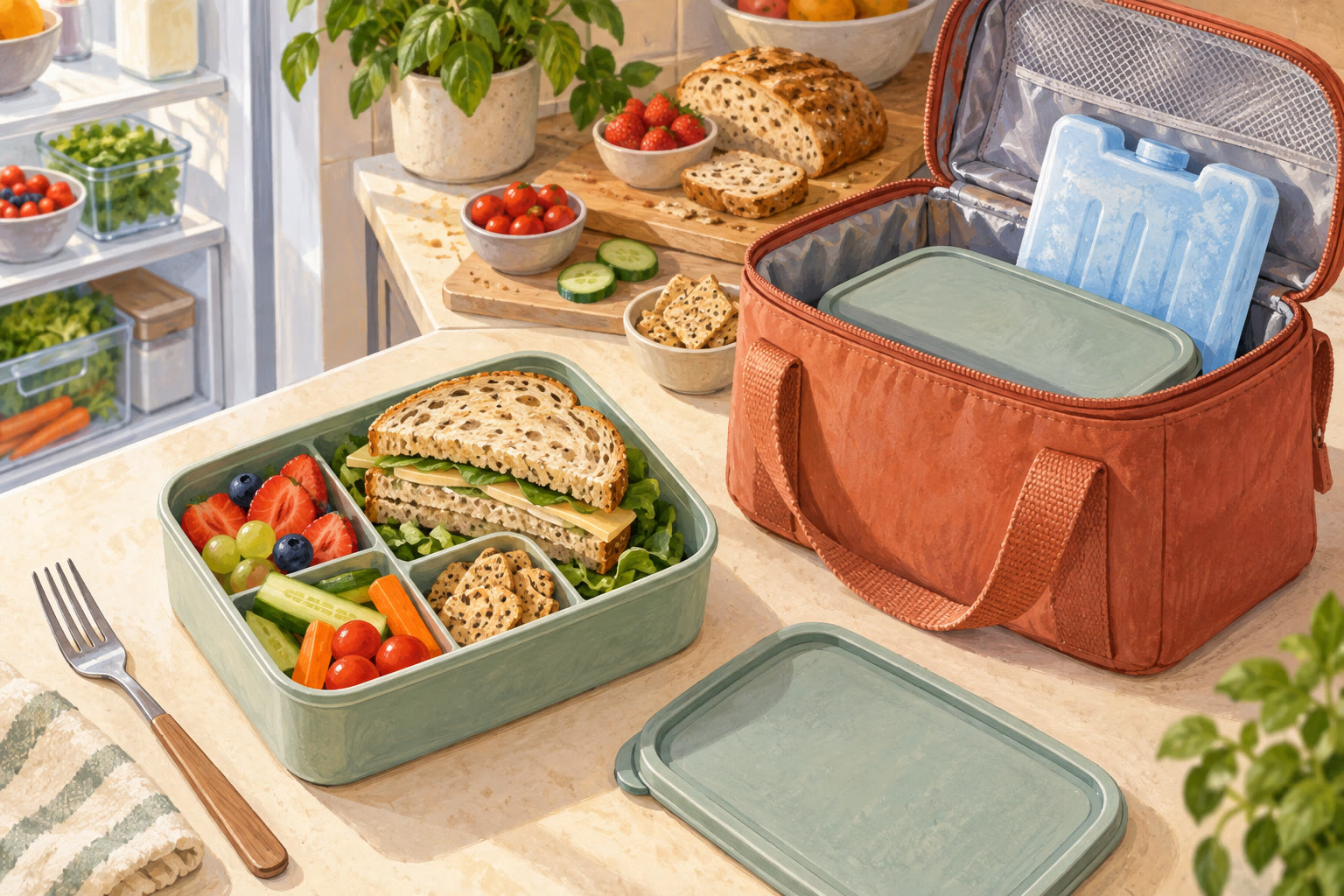
For a sandwich lunch, that might mean gluten-free bread with a suitable filling, plus fruit or vegetables alongside. For a fork lunch, it could be gluten-free pasta with ingredients you’ve checked are suitable for your gluten-free diet. A bits-and-pieces box could centre on gluten-free crackers with your chosen accompaniments.
These are starting points, not a rule that every lunch must contain a particular number of things. I’d choose portions and extras around your appetite and the time between meals. There’s no prize for packing a dainty lunch if you already know you’ll want something more substantial.
Write down two combinations you’d willingly eat twice in a week. Be specific enough that the note answers the morning question: which bread, which filling, which extras? “Something with crackers” still leaves you standing in front of the cupboard negotiating with yourself.
I’d also give each combination one easy variation. Change the fruit, swap the vegetable or choose a different suitable filling. That gives you a little variety without asking you to invent an entirely new lunch every time.
How do you prep a gluten-free packed lunch the night before?
I wouldn’t turn packed lunches into a grand Sunday project unless that genuinely suits you. Start with tomorrow. Look at what’s available, choose the combination and put the things you’ll need together. A modest plan you can repeat is enough.
Keep the preparation practical. Set out the clean container, find its lid and put a fork with your bag if the meal needs one. Leave chilled ingredients in the fridge. You can organise the packing without putting the food out early.
If you prefer to assemble your sandwich in the morning, make that part of the plan. The evening job can simply be deciding what goes into it and checking you have everything. Preparation doesn’t have to mean making the whole meal ahead.
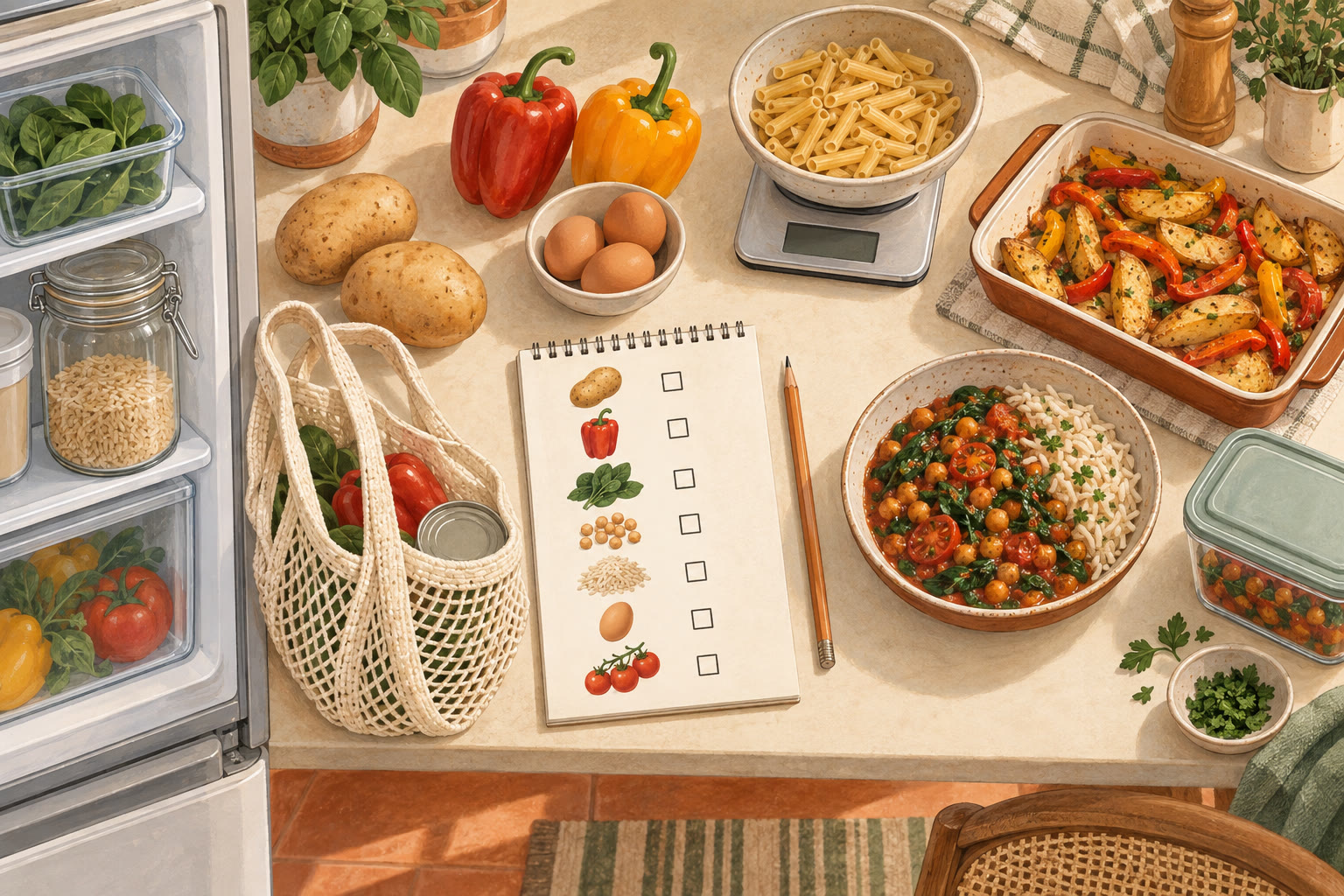
I’d keep a short lunch note wherever you normally write your shopping list. Name the ingredients for your two combinations, then check what you already have before adding more. This gives the shopping a purpose instead of leaving you with several promising ingredients and no lunch you particularly fancy.
Think about texture, too. If you dislike dressing touching everything, pack it separately. If you prefer crackers assembled at lunchtime, leave them separate from the toppings. These are preferences worth planning around, because lunch has to appeal to the person opening the box.
Finish by deciding what still needs doing before you leave. “Add chilled food from the fridge” is a useful reminder. “Sort lunch” is an entire unfinished job.
How long can a packed lunch stay out of the fridge?
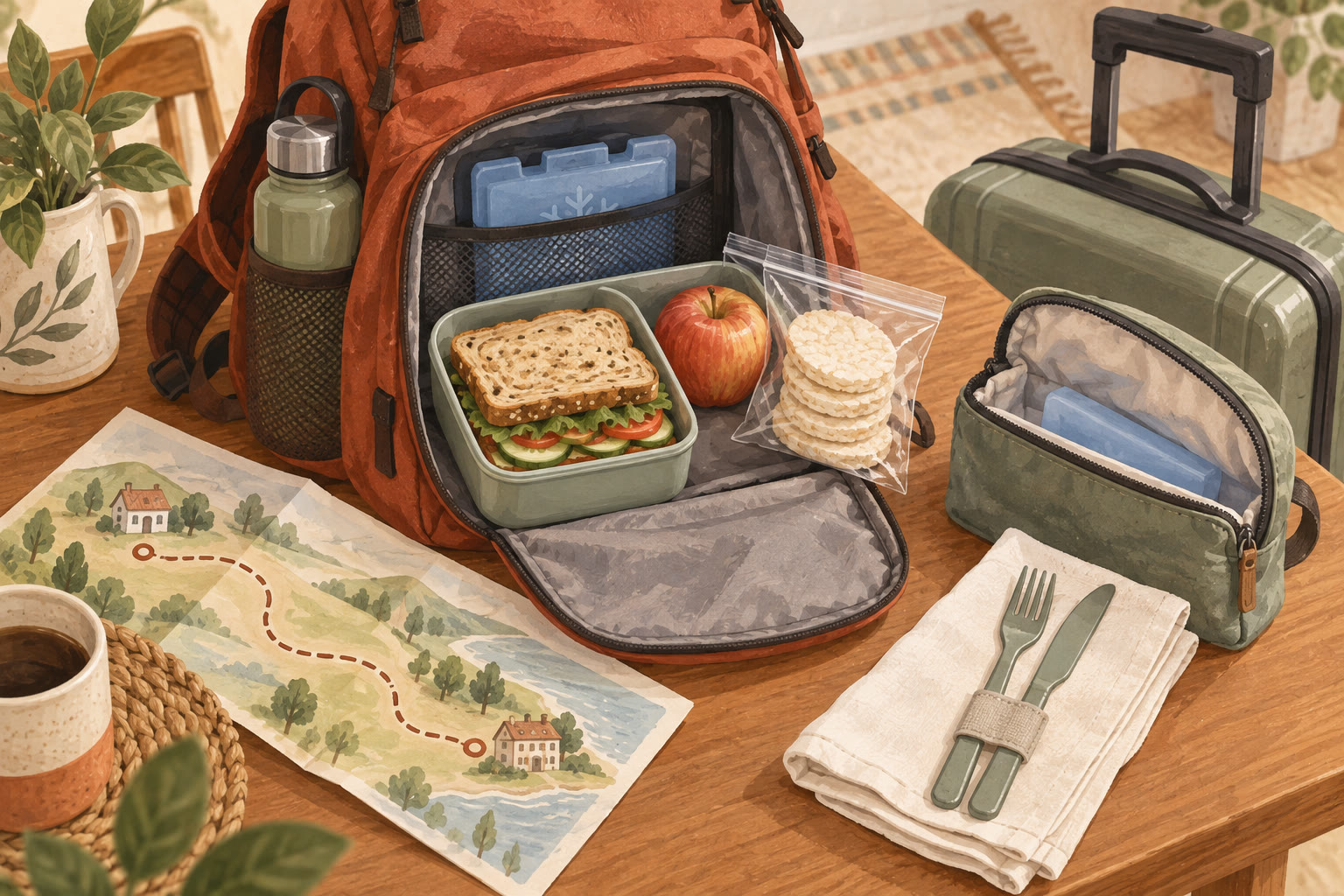
Before choosing a lunch that needs refrigeration, I’d check what happens between your fridge and your first bite. Is there a fridge at your destination? Can you use it when you arrive? Is lunch likely to be delayed? Those details belong in the plan alongside the ingredients.
GOV.UK’s chilling guidance for food businesses says chilled food must legally be kept at 8°C or below in England, Wales and Northern Ireland. It recommends setting fridges to 5°C or below to allow for temperature fluctuations.
The same business guidance says chilled food can be out of the fridge for up to four hours, with food returned before that limit; food that has been out for four hours or more must be thrown away. I’d keep the source’s business context clear, rather than present this as an unconditional allowance for every packed lunch.
GOV.UK’s consumer heatwave food safety guidance advises using a cool bag or box together with frozen ice packs to help keep food cool for longer. That combination is a way of helping to stay within the chilling guidance’s 8°C/four-hour framework; it does not extend or replace those limits, or guarantee a particular temperature or duration.
There is also a stricter instruction for hotter than usual weather: the consumer guidance says to discard perishable food that has been out of the fridge for more than two hours. A cool bag does not remove that time limit. For picnics, it advises keeping food in a separate cool bag and leaving it closed until you plan to eat.
I’d settle the chilling arrangements before packing, rather than rely on the bag alone to answer every food safety question.
Keep a fallback you actually want to eat
A fallback lunch should be something you’d choose, not a punishment for failing to prepare. I’d write down one simple option using suitable gluten-free foods you normally keep available, following their storage instructions. Make it specific enough to pack without another round of decisions.
Then judge the routine by what caused bother. Was there too much assembly? Did you forget a spoon? Were you tired of the filling? Change that one thing before replacing the whole plan.
For your next packed lunch, choose one familiar combination and decide how you’ll keep it until lunchtime. That’s a useful place to begin. You can add variety later; tomorrow’s lunch only needs tomorrow’s plan.
Nora is our brand character. Health information is sourced separately and should support conversations with your care team, not replace them.