A shared office lunch works safely for someone with coeliac disease when the arrangements answer three questions before the food arrives: who checks it, who passes on what the caterer said, and who can confirm the meal when it's served. That matters because, as the NHS guidance on treatment explains, eating gluten again can bring back symptoms and gut damage, and even a small amount, such as a spoonful of pasta, can cause unpleasant intestinal symptoms.
I'd put that explanation before the sandwich order. You shouldn't have to squeeze it into the moment someone hands you a plate while the meeting starts.
Who should organise the food for a shared office lunch?
For a catered meeting, I’d start with the organiser as soon as lunch is mentioned. Ask them to identify who will contact the caterer and who will receive the order. Those might be different people, particularly if reception takes deliveries or someone else sets out the food.
Here’s wording you can adapt: “I have coeliac disease and need gluten-free food with precautions against cross-contamination. Could you check this directly with the caterer and let me know who will confirm my meal when it arrives?”
I’d ask for the caterer’s actual answer to be passed back. “Dietary requirements noted” tells you that someone received a message. It leaves the preparation questions unanswered. Coeliac UK advises speaking ahead to a manager or chef so they understand the need to avoid cross-contamination.
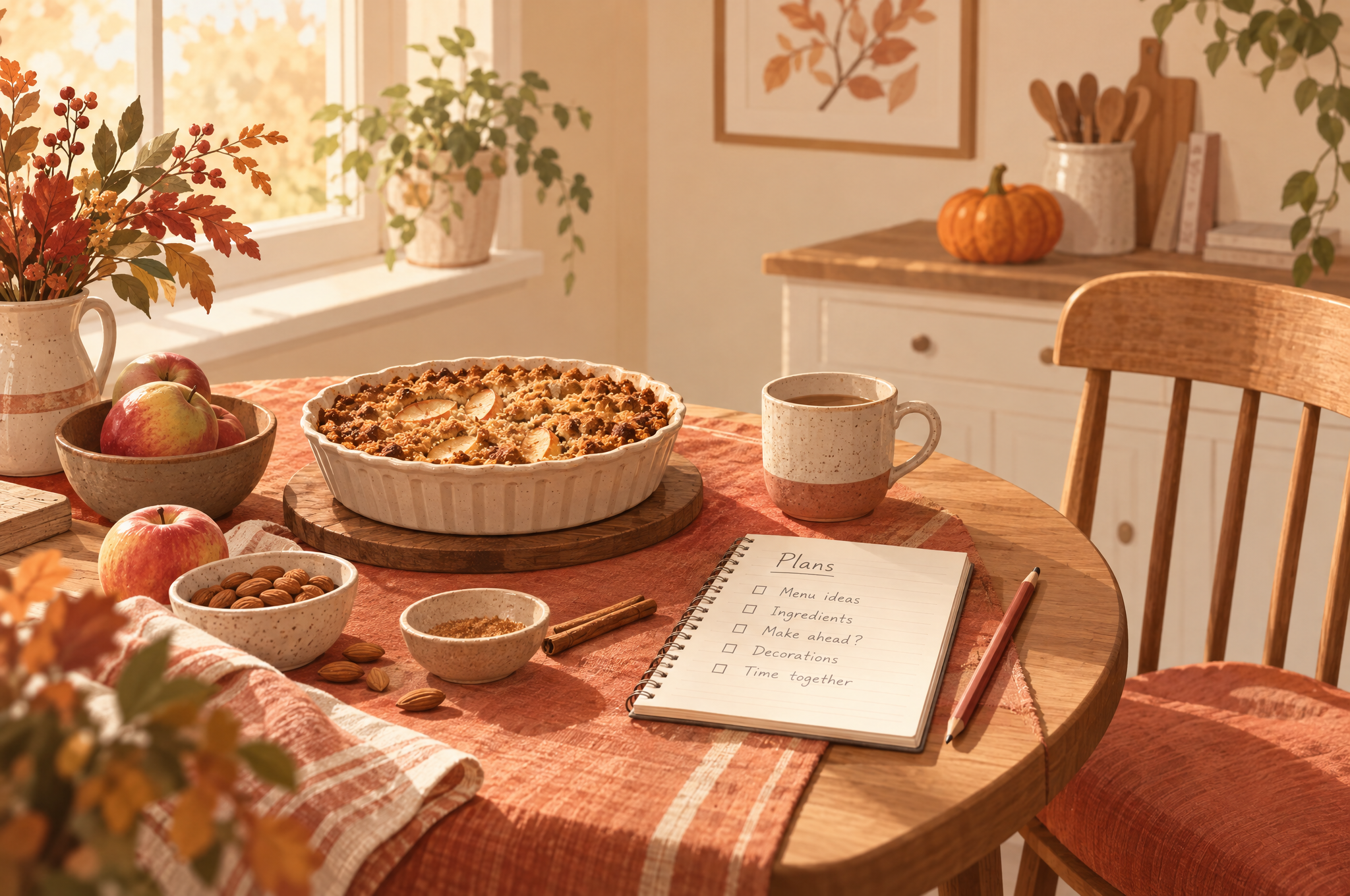
A short written handover could name the person ordering, the catering contact, the meal agreed and the person receiving it. Include any question still awaiting an answer. I’d also ask the organiser to pass on changes, such as a replacement dish or supplier, so the original conversation doesn’t get treated as an answer about different food.
If the organiser is away, agree who takes over. Lunch shouldn’t depend on the only person with the details being back from a call.
How do I share a kitchen and fridge safely with coeliac disease?
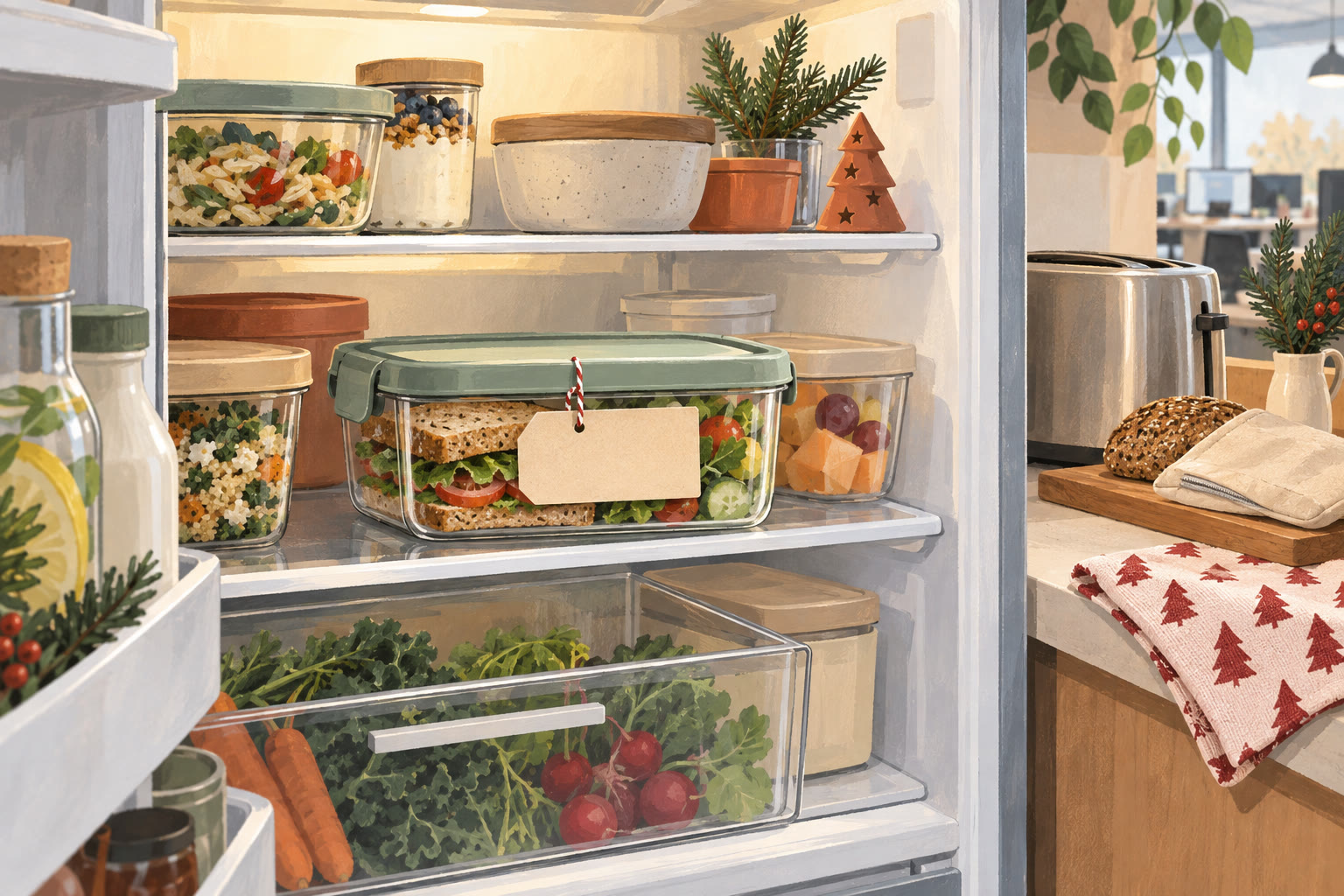
For the shared fridge, I’d focus the conversation on ownership and permission. Agree where your lunch belongs, how colleagues will recognise it and whom to ask before moving it or treating it as communal food. A name label can communicate ownership; it cannot tell you whether food is gluten-free.
If colleagues arrange the meeting lunch in the fridge, ask the organiser to keep the catering information available to whoever brings it out. “It’s the one on the left” is a fragile handover once several people have rearranged things.
The kitchen discussion needs a little more detail, but it doesn’t require a separate set of everything. Coeliac UK’s cross-contamination guidance says standard washing-up liquid or a dishwasher removes gluten from cookware and surfaces. Separate cloths or sponges are not needed.
I’d use that guidance to agree a few precise arrangements. For gluten-free toast, Coeliac UK suggests a toaster bag or a separate toaster. For bread preparation, it suggests a separate bread board to keep gluten-free and gluten-containing bread apart.
Shared butter and jam need an explicit rule too: separate condiments, or clean cutlery every time, to avoid breadcrumb contamination. Decide who will explain that arrangement to new colleagues. A note that simply says “please be careful” leaves everyone to supply their own meaning.
If frying is involved, Coeliac UK advises clean oil or a separate fryer because heat does not destroy gluten. I’d put that question to the person preparing the food, rather than expecting the meeting organiser to know how the kitchen works.
What should I ask a caterer about gluten-free food?
Whether lunch comes from the work canteen, a shop preparing food or an outside caterer, I’d take the questions to someone who can explain its preparation. Coeliac UK advises asking whether equipment, including fryers and utensils used for a gluten-free order, is dedicated to gluten-free food.
You can keep the conversation plain: “This is for someone with coeliac disease. Is this meal gluten-free, and what arrangements do you use to avoid cross-contamination? Are the utensils and any fryer used for it dedicated to gluten-free food?”
For catered meetings, I’d ask the organiser to establish how your meal will be identified and who can confirm it at serving time. That gives the person receiving the delivery a specific job. They know which information to request, rather than being left to guess from the appearance of the food.
Coeliac UK’s Gluten Free Accreditation symbol is a marker that venue staff have been trained in its Gluten Free Standard. It isn’t a blanket guarantee about every workplace lunch. Keep the conversation about the meal being supplied.
When the food arrives, confirm that your order is gluten-free before eating. Coeliac UK advises not eating it if you still have doubts. I’d agree beforehand whom to contact if the answer is unclear, so you have a route back to the caterer while everyone else settles into the meeting.
Keep the label available for packaged food
For a pre-packed sandwich or snack, I’d ask whoever buys it to keep its packaging available. You need the actual label to check the product, and to raise a question with the manufacturer if necessary.
Under the UK rules explained by Coeliac UK, food labelled “gluten-free” must contain no more than 20 parts per million of gluten. That is the threshold behind the claim.
Coeliac UK’s food-label guidance explains that gluten-containing cereals must be named and emphasised in ingredients lists, even when used in tiny amounts. These cereals are among the 14 legally listed allergens and include wheat, rye, barley and oats, as well as spelt and Khorasan wheat.
A product can legally say “gluten-free” and also carry a precautionary “may contain wheat” statement. Those voluntary warnings concern possible cross-contamination. If you’re unsure whether a product is suitable, Coeliac UK advises contacting the manufacturer or its helpline.
Before the next shared lunch, I’d send the organiser one short message covering the catering contact, the person receiving the food and any unanswered questions. Clear responsibilities make it easier to ask once, get a useful answer and join the conversation around the table.
Nora is our brand character. Health information is sourced separately and should support conversations with your care team, not replace them.