The key questions to ask are: before booking, who can explain how a dish will be prepared and served; then, how ingredients are handled to avoid cross-contamination, including whether a separate fryer is used; on arrival, restating your requirements to waiting staff; and before eating, confirming the plate matches what you ordered. If you have coeliac disease, getting clear answers on all four belongs in the plan for a meal out as much as choosing what to order.
A gluten-free option on a menu gives you something to ask about, but it doesn't answer every question about how the kitchen will prepare and serve your meal. I'd use it as the opening to a conversation, with a few questions saved on my phone so there's less to remember.
These are the questions I'd put on that note, from the first call to the moment the plate arrives. You don't need a polished speech, and you don't need to apologise for asking how your food will be handled.
Who should I ask to speak to before booking?
I’d start with a call before committing to a table. Coeliac UK recommends calling ahead and asking to speak to a manager or the chef if possible. That gives you an opportunity to discuss your requirements before you’re sitting with a menu and everyone else is ready to order.
If you have coeliac disease, you could open with: “I have coeliac disease and need gluten-free food. Could I speak to the manager or chef about ingredients and how you manage cross-contamination?”
Then bring the conversation down to the meal you’re considering: “I’m interested in this dish. Could you explain whether it’s suitable, including its sauce and anything served with it?” That’s a more useful starting point than asking whether the restaurant does anything gluten-free and stopping at yes.
If the person answering needs to check with someone else, ask when would be a good time to call back. I’d leave space for them to find the information rather than try to squeeze an answer from someone who doesn’t have it.
Coeliac UK’s Gluten Free Accreditation scheme can also help with your search. Accredited venues follow set standards, processes and staff training. I’d use that information when choosing somewhere to contact, then discuss the particular meal and my requirements with the team.
Keep a short record of the conversation: whom you spoke to, which dish you discussed and any details to include with the booking. The note helps you pick up the conversation on arrival; it isn’t a certificate for the meal.
What should I ask about ingredients and cross-contamination?
The question I’d keep coming back to is: “How will this meal be prepared and served?” Ingredients matter, but so does what happens to the food in the kitchen.
The NHS describes cross-contamination as gluten-free food being prepared together with food containing gluten, or served using the same utensils. That’s why a conversation about preparation needs to sit alongside checking what’s in the dish.
You could ask: “How do you avoid gluten-free food being prepared together with food containing gluten, or being served with the same utensils?” Let the team explain their process, then ask about anything you haven’t understood.
For fried food, there’s a specific question worth keeping on your note: “Do you use a separate fryer for the gluten-free options?” Coeliac UK includes this in its eating-out advice. Ask about the fried item you actually want, so the answer relates to your order.
If the answer only describes leaving something off the plate, I’d follow up with: “And how will the rest of the meal be prepared and served to avoid cross-contamination?” That keeps the conversation focused on the part you still need explained.
Don’t judge the answer solely by whether someone brings you a folder. GOV.UK explains that restaurants may provide allergen information in writing or verbally. Staff can tell you, or point you towards written information; both methods are permitted.
You can also ask, in person or by phone, how the kitchen handles food and whether contamination could occur. I’d read any information offered, then ask the preparation questions it doesn’t answer. A menu and a conversation can each provide useful details.
On arrival, explain your requirements again
A phone call is useful preparation, but I wouldn’t leave the table conversation to the booking note. Coeliac UK advises clearly explaining your dietary requirements to waiting staff when you arrive, making clear that this is a health necessity rather than a preference.
You could say: “I have coeliac disease and need my meal to be gluten-free. I called about this dish. Could you confirm with the kitchen that it can be prepared and served appropriately?”
Keep your earlier note handy if it helps explain what was discussed. Naming the dish and the person you spoke to gives staff something concrete to follow up. You don’t have to recite the whole call from memory.
I’d also choose a meal I actually wanted to eat before working through the details with the team. You don’t need the entire menu to suit you, but you do need clear information about the order you’re placing.
What should I check when the meal arrives?
Coeliac UK advises confirming the order again before eating. A simple question keeps this manageable: “Could you confirm this is the gluten-free meal ordered for someone with coeliac disease?”
If the plate doesn’t match what you discussed, stop and ask staff to check with the kitchen. Explain the specific concern rather than trying to work out the answer from the food’s appearance. You’re allowed to ask at this stage, even when everyone else has started.
If there is still doubt about whether the meal is safe, Coeliac UK’s advice is not to eat it. I’d keep another option in mind beforehand, whether that means contacting another venue or changing the arrangement for dinner.
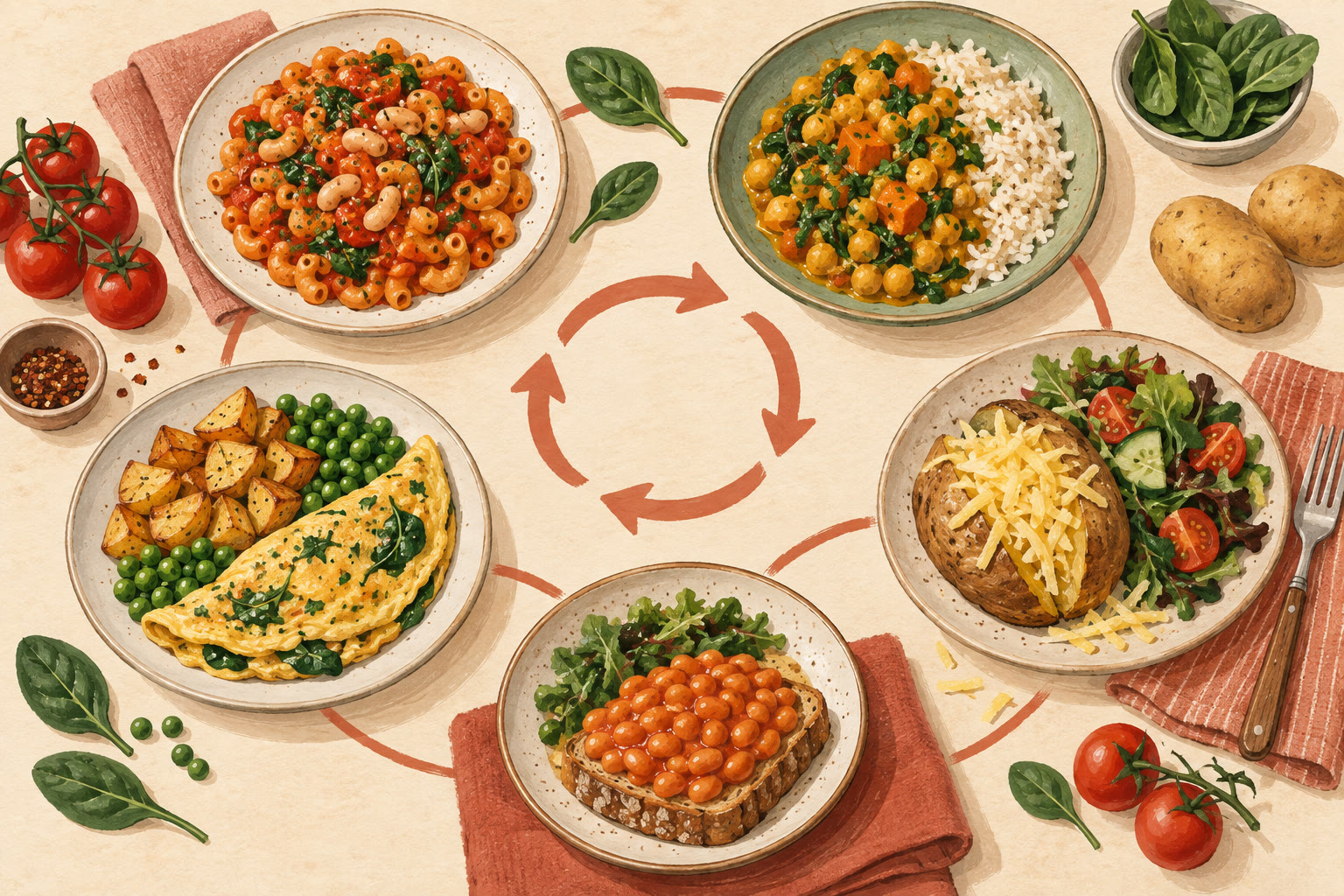
For a simple fallback, you can keep a low-effort dinner in mind. Save your questions alongside that plan. I want you to have clear words ready and enough choice to decide what happens next.
Nora is our brand character. Health information is sourced separately and should support conversations with your care team, not replace them.